Article
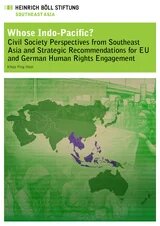
While policymakers frame the Indo-Pacific as a strategic arena of power politics, it is the region’s civil societies that confront the daily realities of defending democracy, justice, and sustainability; often under increasing pressure. From Manila to Jakarta, from Bangkok to Kuala Lumpur, civil society organizations (CSOs) are squeezed between shrinking freedoms, volatile funding, and intensifying geopolitical rivalry.

Drawing on insights from regional CSOs and experts across Southeast Asia, a clear pattern is emerging. As great powers draw the boundaries of the Indo-Pacific through trade, military, and security agendas, civic actors are left to face the consequences. Their space to speak, mobilize, and defend communities is increasingly constrained by forces beyond their control. Still, their work anchoring human rights and regional stability remains indispensable.
The Indo-Pacific Paradox
The Indo-Pacific has become the defining geopolitical framework of our time. The United States (U.S.) advances a “free and open Indo-Pacific” to counterbalance China’s growing influence. China, through the Belt and Road Initiative (BRI) pursues connectivity and state-led development. Europe has joined the fray. The 2021 European Union (EU) Indo-Pacific Strategy and Germany’s policy guidelines emphasize multilateralism, diversification, and the rules-based order.
But for civil society in Southeast Asia, this language is both foreign and fraught. Many NGOs view “the Indo-Pacific” as an external label; one that risks turning them into proxies in a power struggle they did not choose. In countries where foreign funding is politically sensitive, overtly adopting Indo-Pacific narratives can trigger accusations of Western alignment or anti-China bias. “We do not reject democracy or rights,” said one Philippines-based activist, “but we reject being used as tools in someone else’s strategic game.”
“We do not reject democracy or rights,” said one Philippines-based activist, “but we reject being used as tools in someone else’s strategic game.”
This paradox defines the region’s civic reality. The geopolitical rivalry brings attention and resources, but it also politicizes them. How can civil society benefit from the renewed focus on the region without being instrumentalized by it?
Shrinking Space, Expanding Risks
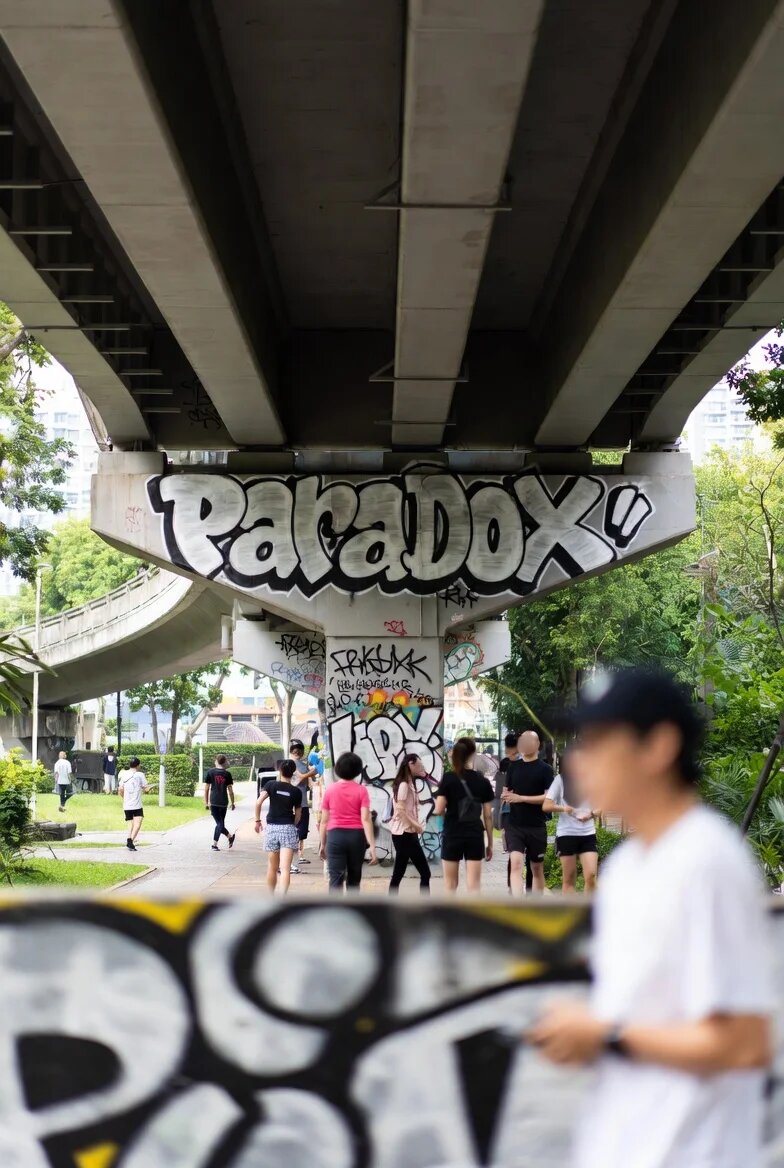
Across Southeast Asia, civic space is closing. Governments are increasingly deploying national security laws, counter-terrorism frameworks, and digital surveillance to criminalize dissent. In the Philippines, activists face red-tagging, or public accusations of communist sympathies that often lead to harassment or violence. In Thailand, protest leaders are prosecuted under lèse-majesté and sedition laws. In Malaysia, the legacy of restrictive legislation continues to constrain freedom of association. And in Indonesia, once celebrated as a democratic success, growing intolerance of criticism signals a troubling regression.
This pattern is not new, but it is deepening. Respondents across all countries noted a trend of “securitization,” where issues such as migration, gender rights, or environmental defense are reclassified as security threats. “When everything becomes security,” observed one Malaysian activist, “there is no space left for civil society.” The result is an environment where defenders of rights and justice operate under constant suspicion, while the cost of civic participation grows heavier each year.
The Funding Trap
As governments restrict political space, the financial space for civil society is collapsing in tandem. The U.S. retrenchment under the Trump 2.0 administration has hit the region hard. Many NGOs dependent on USAID or U.S.-linked foundations have seen abrupt funding cuts, forcing staff layoffs and project closures. European and Nordic donors, including Germany, have provided important buffers, but their resources are finite and increasingly stretched by global crises such as Ukraine and Gaza.
Even modest European grants, respondents emphasized, can have outsize effects. One Filipino practitioner working with partners in Laos noted that small contributions often help sustain fragile local organizations that might otherwise have closed. Yet, overall, European funding remains unpredictable and administratively heavy, often accessible only to larger, urban-based NGOs. Meanwhile, alternative patrons offer little relief. Japan’s aid for instance, prioritizes infrastructure and technical cooperation, often not on rights. China’s regional financing supports state-led projects with weak social safeguards and virtually no engagement with independent CSOs. As one Indonesian respondent advocate put it: “The money flows, but not to us; it flows over us.”
“The money flows, but not to us;
it flows over us.”
The consequences are visible in the field. Communities resisting harmful infrastructure projects, whether foreign-funded or domestic, often rely on under-resourced local NGOs for advocacy and legal support. These groups are not anti-development; they are simply asking that growth respect rights, labor standards, and environmental limits. Civil society, in this sense, is not a brake on progress but a stabilizing force that ensures development remains accountable and inclusive.
Civil Society as a Stabilizing Force

Despite these pressures, civil society remains one of the few stabilizing forces in a region marked by democratic backsliding and geopolitical tension. CSOs mediate between state and society, prevent local grievances from spiralling into conflict, and expose corruption or environmental harm before they escalate. In doing so, they underpin the very stability that Indo-Pacific strategies claim to seek.
Consider Indonesia, often described as a “middle power” democracy. Its NGOs have played crucial roles in electoral monitoring, anti-corruption campaigns, and labor rights advocacy; efforts that reinforce both domestic legitimacy and regional credibility. In the Philippines, networks linking activists and academics have kept alive evidence-based advocacy against repression. In Thailand, younger activists are experimenting with hybrid models that blend social enterprise, community education, and art activism to stay afloat. In Malaysia, civil society remains cautious but quietly persistent, focusing on transparency, anti-corruption, and social justice within legal limits.
These examples illustrate not weakness but resilience. CSOs continue to adapt, diversify their funding, and reframe their narratives; often in the face of risk. They embody what one respondent called “small acts of stability” that collectively hold the region’s democratic fabric together.
Rethinking Europe’s Role
For the EU and Germany, the lesson is straightforward. Civil society should be integrated as a central pillar of engagement, not left on the periphery.
European strategies continue to prioritize connectivity, trade, and security cooperation, while human rights and democracy remain largely secondary. Civil society is often an afterthought rather than an active partner. That must change. Strengthening civic actors is not a moral gesture but a practical step toward regional stability, conflict prevention, and sustainable development.
A shift is needed from short-term projects to long-term partnerships. CSOs cannot plan when funding cycles last only 12 months; they require multi-year, flexible support that allows them to retain expertise and plan strategically. Such funding models would help small organizations weather political shocks and avoid dependency on volatile donors. Simplifying access and compliance processes would also make European aid more inclusive, reaching grassroots groups rather than concentrating on large, professional NGOs based in capital cities.
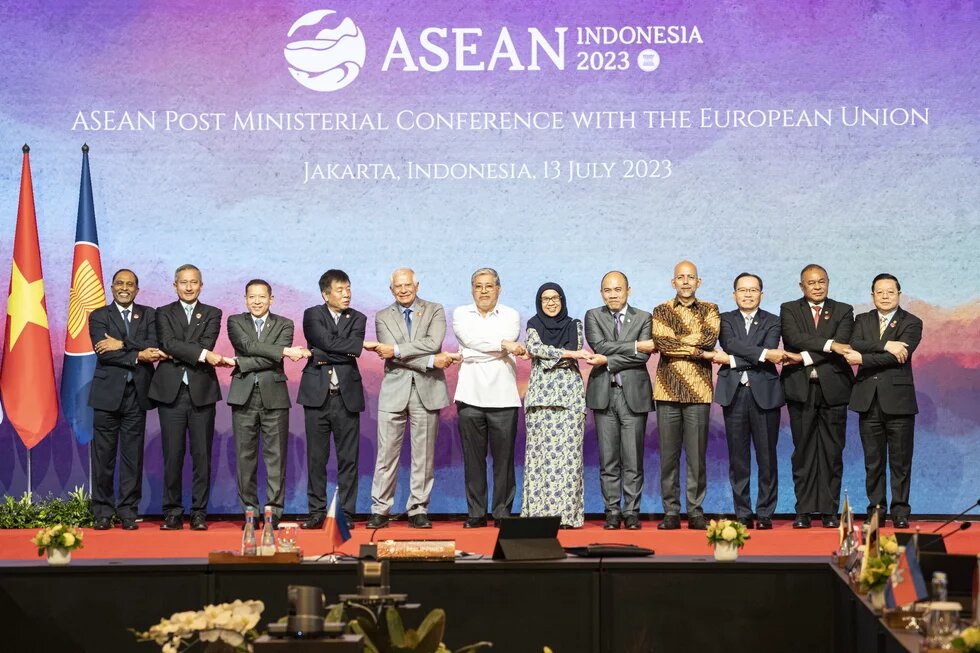
Protection for defenders must also become a core part of European engagement. Human rights advocates across Southeast Asia face harassment, digital surveillance, and threats to their lives. Rapid-response mechanisms, legal aid, relocation assistance, and psychosocial care should be scaled up and localized. Existing European protection frameworks can be adapted to Southeast Asia’s realities through regional partnerships with trusted CSO networks.
Equally important is the stabilization of regional platforms working on human rights and democracy. These networks sustain collaboration and knowledge-sharing across borders, allowing activists in restrictive environments to remain connected to the global human rights ecosystem. Targeted institutional support from the EU and Germany would ensure these networks are not weakened by donor fatigue or global crises elsewhere.
Lastly, Europe must integrate human rights and labor standards into all aspects of its engagement; from trade agreements to supply-chain partnerships. Economic cooperation that neglects rights risks entrenching inequality and social unrest. Embedding civic participation in these mechanisms would not only strengthen accountability but also demonstrate Europe’s distinct contribution to regional governance: one that prioritizes people, not just power.
Beyond Geopolitics
Perhaps the most important lesson is that civil society is not asking for pity or patronage, it is asking for partnership. The activists, educators, and community leaders interviewed do not reject international engagement; they simply want it to respect their agency. As one Indonesian respondent said, “We don’t need donors to speak for us; we need them to listen.”
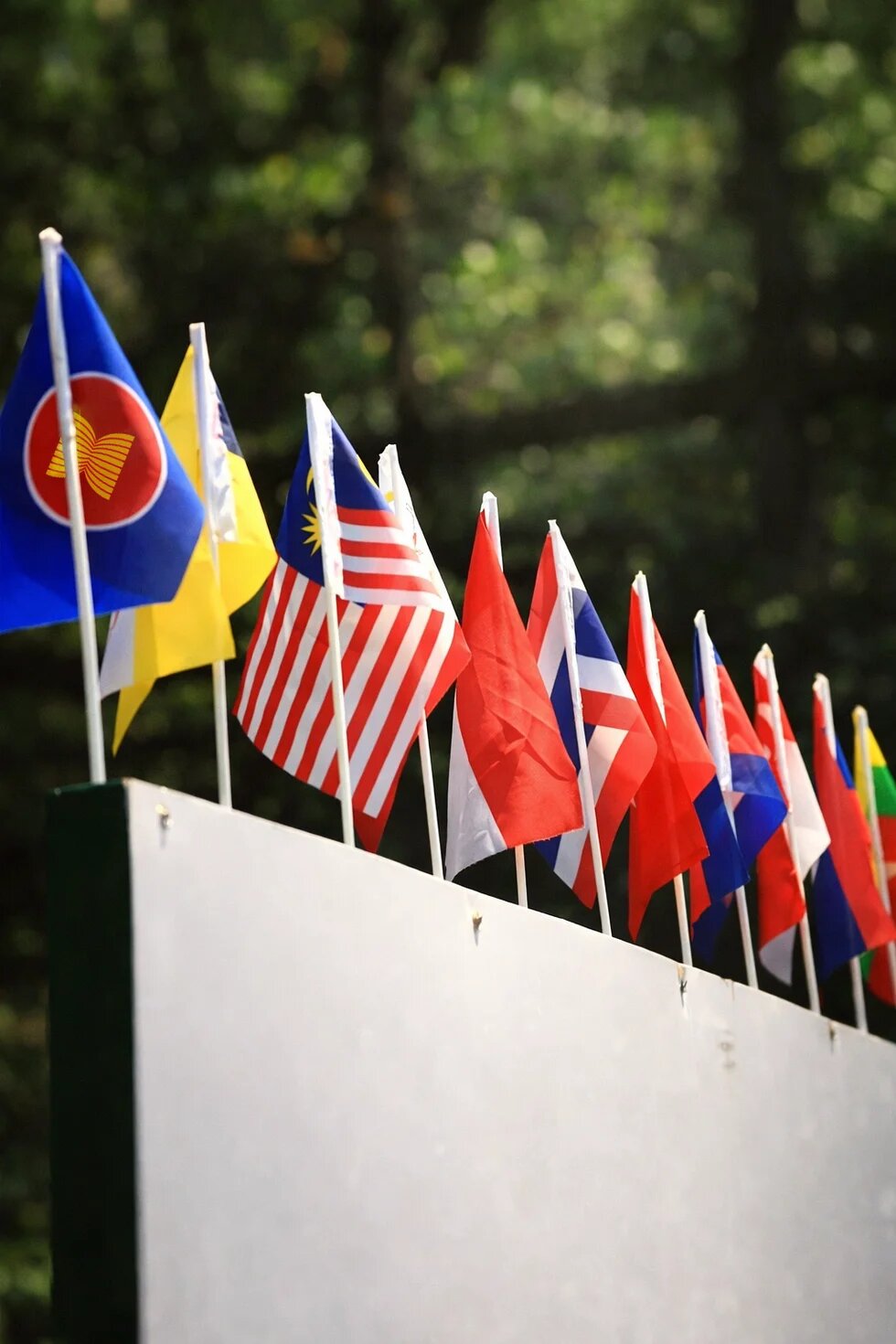
If Europe wants to distinguish its approach to regional geopolitics from great-power competition, it can do so by standing with those who keep democracy alive when institutions falter and by funding those who defend the environment when governments look away. This is not a soft-power luxury but a strategic necessity.
Ultimately, geopolitics is more than a map of sea lanes or supply chains. It is a living reality shaped by communities that fight daily for dignity, rights, and survival. Civil society is the connective tissue that keeps this possibility alive. To strengthen it is to strengthen the region. To neglect it is to watch the region become a battleground of states without citizens.
For Europe and Germany, this is the moment to decide what kind of regional order they wish to help shape; one defined by rivalry or one sustained by resilience.
Click here to download the full E-Paper.
__
Khoo Ying Hooi, PhD, is an Associate Professor at Universiti Malaya. This commentary draws from the research project “Geopolitics in the Indo-Pacific and the Role of Southeast Asian CSOs,” supported by the Heinrich Böll Stiftung (hbs).
Disclaimer: This published work was prepared with the support of the Heinrich Böll Stiftung. The views and analysis contained in the work are those of the author and do not necessarily represent the views of the foundation. The author is responsible for any liability claims against copyright breaches of graphics, photograph, images, audio, and text used.
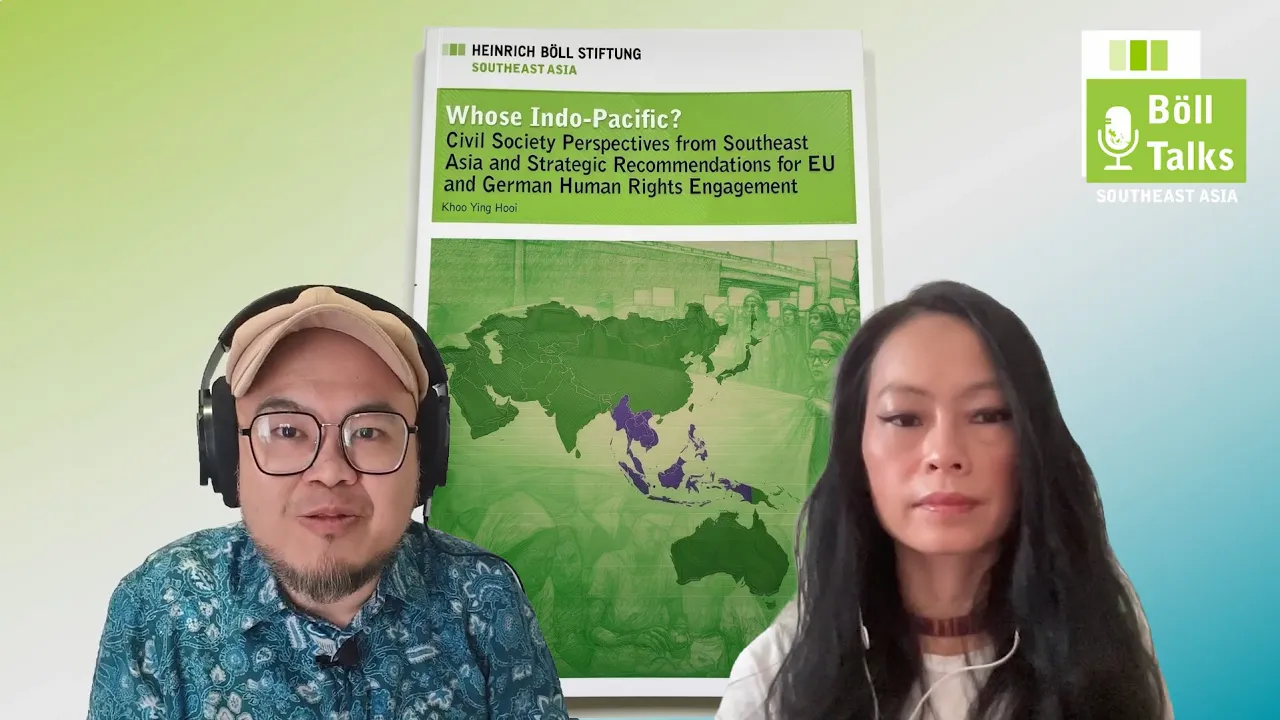
Böll Talks - Whose Indo Pacific? with Dr. Khoo Ying Hooi - Heinrich-Böll-Stiftung Southeast Asia
 Watch on YouTube