
Article
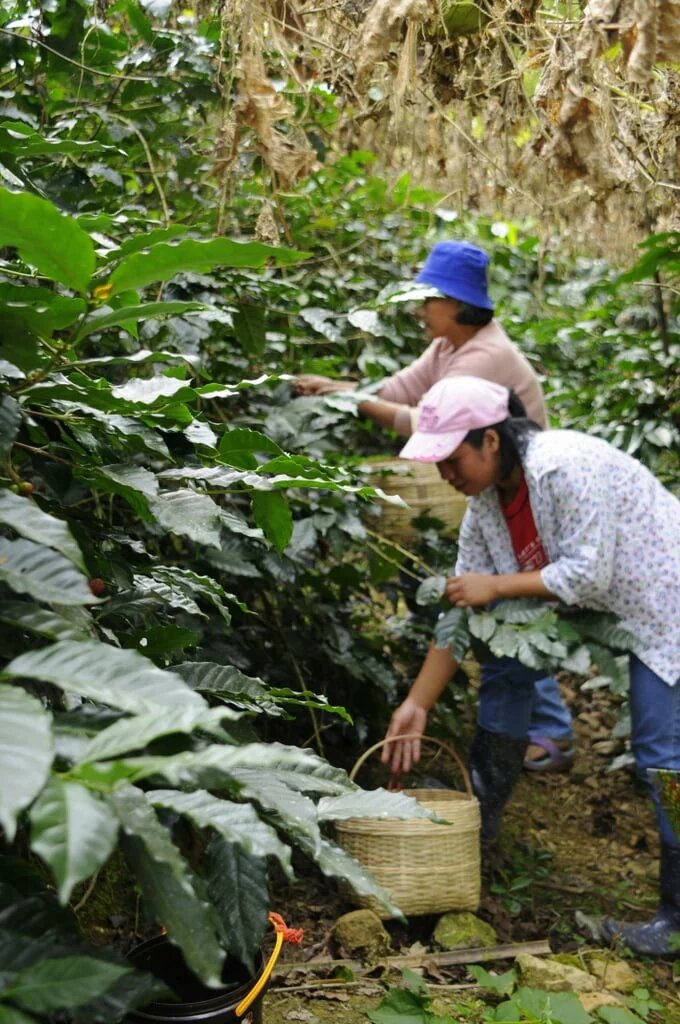
In every cup of coffee—instant or brewed—that you enjoy in the comfort of your home or a stylish café, a woman coffee farmer in Bukidnon, Philippines, is struggling to make ends meet. Each bean reflects not only her hard work and resilience but also the weight of limited government support and the mounting pressures of climate change. This article explores the lived struggles of women coffee farmers in Bukidnon, Northern Mindanao, South Philippines. Under the sun, they cultivate coffee, corn, or cassava to sustain their families, yet most remain poor despite global demand for coffee. Barriers such as lack of access to credit, land, and institutional support persist. Today, climate change threatens not only the coffee industry but also the future of the farmers themselves.
This article is part of web-dossier "Brewing Resilience: Coffee and Climate Change in Southeast Asia"

Introduction
Coffee has become an integral part of the lives of most people. It has long been a fast-growing crop in demand, with production increasing significantly every year. At least seven countries in Southeast Asia produce coffee: Indonesia, Laos, Myanmar, Philippines, Thailand, Timor-Leste, and Vietnam. The Philippines rank 5th in Coffee Production in Southeast Asia. The Philippines alone cultivates all four major varieties: arabica, robusta, liberica (barako) and excelsa. Yet as the industry grows, so do the profound challenges posed by climate change. Adapting to increasingly extreme weather conditions, pests, and crop diseases requires an understanding not only of agricultural expertise but also an understanding of the social structures that shape people’s vulnerabilities, particularly gender roles.
Success in climate resilience efforts in Southeast Asia, where women comprise a substantial share of the agricultural workforce, depends on recognizing their contributions, addressing inequalities, and placing them at the center of adaptation strategies that protect not only the economy but also the most vulnerable communities.
How Bukidnon Coffee came to be
The first known record of coffee in the northern Philippines was in the 1700s, believed to have been introduced by Spanish friars. In the early 1980s, Bukidnon was known as the Coffee capital of the Philippines.
The Philippines covers 300,000 square kilometers of land, and has roughly 119,999 hectares devoted to coffee production, with 83.5 million fruit-bearing trees. Northern Mindanao, where Bukidnon is located, accounts for 11,837 hectares of coffee farms. Trees are grown in both open areas, especially those at high altitudes, while those in lowlands often have shade trees. Most coffee lands are privately owned, under an association or cooperative, and/or part of the ancestral domains of Indigenous peoples. In the last two decades, people were cutting down coffee trees and replacing them with other income-generating trees that had high value back then. As coffee shops in nearby highly urbanized cities pop up, the demand for local coffee is starting to make noise once again. Starting in the 2020s, people are planting coffee trees again.
The provincial government has institutionalized the 10-Year Bukidnon Coffee Industry Roadmap, beginning in 2025, with the vision of becoming the Arabica capital of the country. This initiative seeks to strengthen the economic stability in the province while improving household livelihoods.
The Gendered Reality of Climate Vulnerability in Agriculture
Climate change impacts are not distributed equally; marginalized groups, particularly those suffering from discrimination based on gender, are more vulnerable. In Southeast Asia, women are the backbone of the agricultural economy, comprising as much as 64% of the workforce in certain countries. The coffee sector is no exception, with women contributing up to 70% of the labor in different phases of coffee production according to the International Coffee Organization (ICO).
Because women’s livelihoods and daily sustenance, particularly in rural areas, are closely tied to the environment, climate change intensifies pressures on their income, health, and social support systems. In the agricultural sector, traditional and harmful gender roles commonly inhibit women from accessing vital resources and limit their participation in decision-making. Studies show that women have less access to critical assets such as land, credit, and information. These structural inequalities undermine productivity and contribute to a persistent gender gap in economic outcomes.
When climate variability disrupts agricultural production through droughts, flooding, and typhoons, women are often forced to spend more time and energy securing food and water for their families. Moreover, when women must travel longer distances to fetch water, food, or fuelwood, they face heightened risks to their personal security. These added burdens exacerbate their already disproportionate responsibilities for unpaid care and domestic work.
Closing the gender gap in agriculture is not just a social goal but an economic necessity for sustainable development and climate resilience. If women had equal access to resources, global output could rise by 2.5% to 4%, enough to lift about 150 million people out of hunger and poverty.
Within the coffee sector, fostering gender equality strengthens women’s capacity to shape their lives and improve their families' well-being. Importantly, equipping women farmers with resources and opportunities increases their resilience to external economic shocks, such as fluctuating coffee prices, and builds their adaptive capacity to climate change.
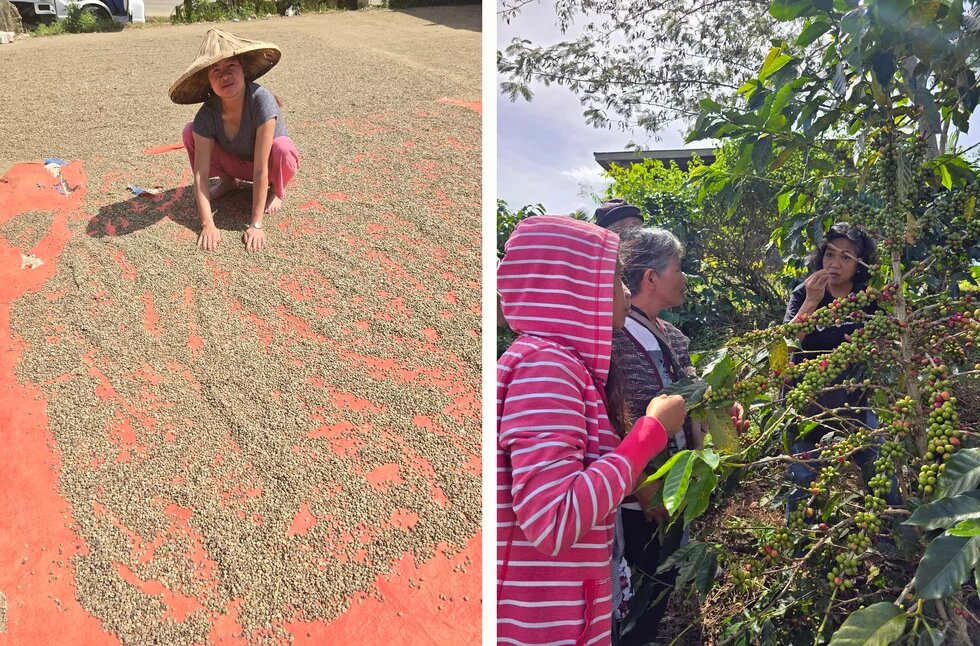
Right: Woman trainer providing hands-on training to women farmers
The Philippines: A Policy Blueprint for Gender Mainstreaming
Although direct evidence linking Philippine national policy to women in the coffee adaptation sector is limited, the country is notable for its strong commitment to institutionalizing gender mainstreaming and climate resilience. This commitment enables an environment for women across all economic sectors, including agriculture and coffee.
The Philippines is recognized as one of the region’s leading proponents of gender mainstreaming. Central to this strategy is the Magna Carta of Women (2009), which institutionalizes gender mainstreaming across all policy domains. This framework is supported by dedicated financial commitment that fund targeted assistance, capacity-building initiatives, and livelihood support. Such measures are essential for advancing climate resilience, as they provide the resources required to integrate gender considerations into operational guidelines and procedures.
The Philippines is one of the most climate-vulnerable nations, experiencing at least 20 typhoons annually that cost billions of pesos in losses and heavily impacts livelihoods, particularly in the agriculture sector. This context provides a basis for assisting women coffee growers in their adaptation efforts, given the country’s well-established, advanced frameworks for promoting gender equality and mainstreaming in areas crucial to climate resilience, disaster risk reduction, resource management, and economic advancement.
The Women in Coffee initiative of the Philippine Coffee Board (PCB) aimed to strengthen the capacities of women coffee farmers and producers across the country - from seed to cup – through collaboration with local and national government agencies as well as non-government organizations.
Most coffee farms in the region remain geographically isolated, with limited access to roads or reliable water systems. Farmers often rely on carabaos (water buffalo) to transport inputs and harvests. Post-harvest facilities such as pulpers, dehullers, solar dryers, roasting machines, and other ergonomically designed mechanizations are scarce, and vehicles to transport goods to the market are insufficient. The supply chain challenges are further worsened by the impacts of climate change.
To sustain the financial demands of farming, the author remains involved with a local NGO, as the farm is not yet generating income and securing support is challenging. The village currently has no organized farmers’ association, though plans are underway to establish one in 2026. Creating a clear organizational identity will help farmers access government programs, improve household incomes, and strengthen their collective voice.
Additionally, in some parts of South-Central Mindanao, aside from climate change, some women coffee farmers also face issues of peace and order due the long-term conflict. Limited infrastructure, poor road access, and long distances from markets reduce their exposure to mainstream buyers, forcing them to sell coffee cheaply to local traders. These conditions add to another layer of difficulty to the multiple burdens already confronting women farmers.
Women Coffee Farmers Adaptation Strategies
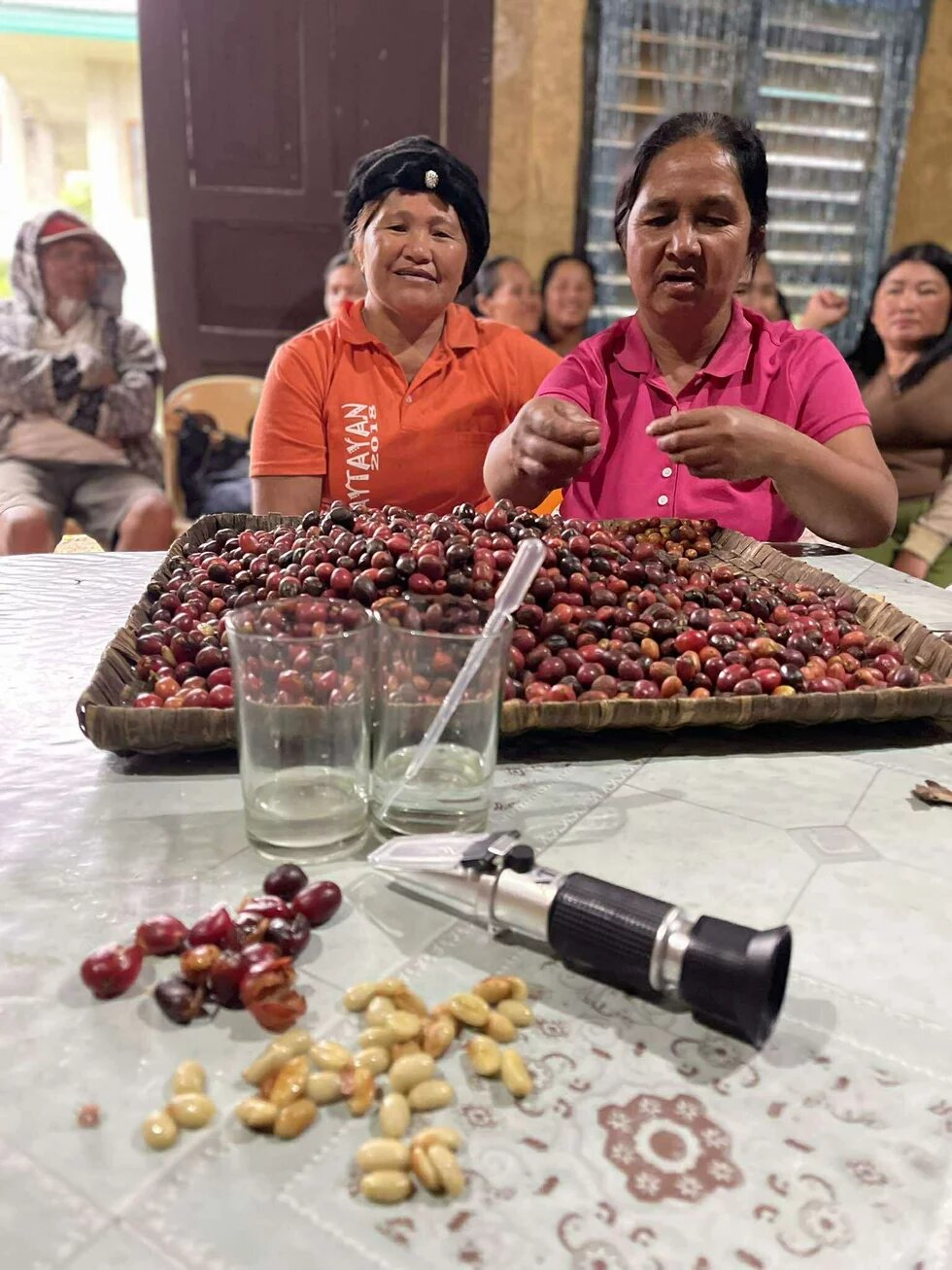
Consecutive crop losses have driven some women to shift from coffee to other crops such as rubber trees. Some farmers have attempted to plant chili, but its quality often declines during the rainy season, reducing its commercial value. Some also shifted to more climate-resilient crops such as corn, cassava, and taro. These crops, though resilient, require longer growing periods or up to eight months compared to coffee, which ripens only once a year, typically from December to March in our community. Moreover, coffee production requires higher costs in labor, from picking, processing, and marketing.
Nevertheless, many women remain steadfast, refusing to abandon farming despite these challenges. In one interview, a farmer expressed hope that her harvest would be enough to feed her family despite the unpredictability brought about by climate change. As the government support for her family was about to expire, she began exploring alternative sources of income to sustain their needs.
Government aid in the Philippines is sporadic, often failing to reach remote communities. Support is limited to seasonal inputs like fertilizers, with underestimated beneficiaries, while programs such as the livestock rolling initiative lacked follow-up and long-term impact.
To address the financial strain of farming, many women turn to microfinance institutions or individual lenders to finance start-up businesses. Microfinance provides critical financial support amid rising inflation in countries such as the Philippines. Yet women remain disadvantaged in accessing credit due to factors such as a lack of collateral (e.g., land titles) and lower levels of financial literacy.
Microfinance, with its proven track record of benefitting women, continues to expand. Technical innovations such as mobile money platforms like GCash, help overcome barriers related to travel and interactions with financial institutions, providing a wider reach and reasonable transaction fees.
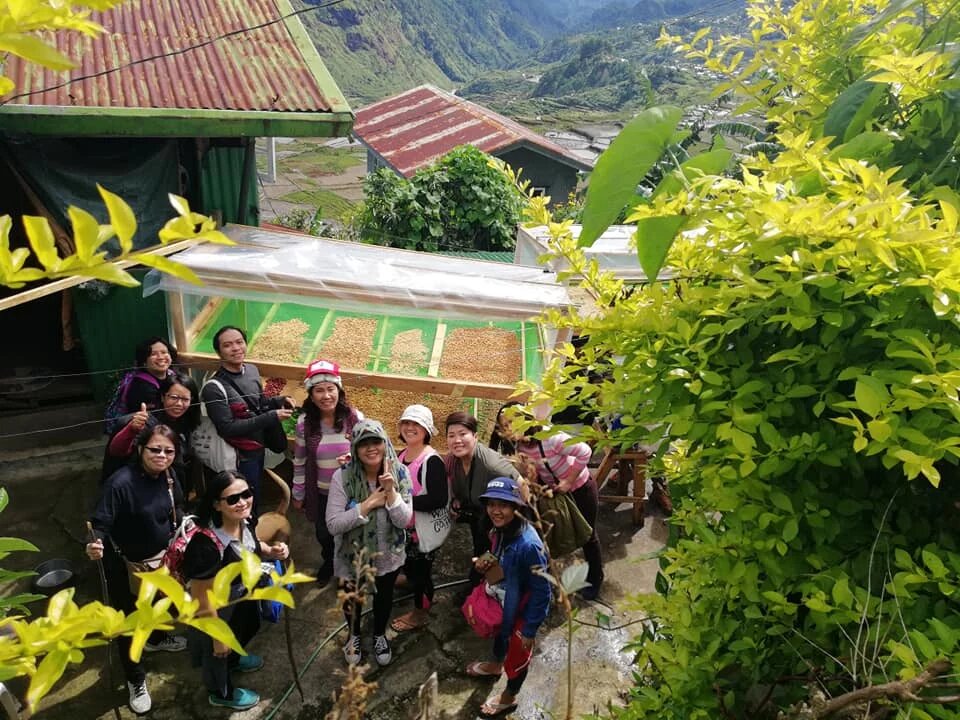
Capacitating women farmer leaders in local decision-making, increasing their representation in legislative councils, building grassroots organizations to establish identity and gain recognition from government and non-government organizations, and enabling participation in various training and support are essential steps toward empowerment and resilience.
Training in sustainable farming techniques, renovation, and shade/water management is crucial for climate adaptation. However, gender-related constraints (time poverty, mobility, social norms) limit women's participation. Extension programs must be well-designed to account for these limitations, for example, by ensuring training times are suitable, sensitizing extension staff, actively recruiting women farmers and trainers, and providing gender responsibility training to staff.
It is high time to shift from merely promoting women's participation to achieving true recognition of their capacities and knowledge. Voluntary sustainability standards in the coffee sector can complement public efforts by requiring non-discrimination, tailored training, and women's active participation in farmer organizations.
Conclusion
Climate change is now reshaping the coffee landscapes of Southeast Asia, with its impacts felt most deeply by women who already bear the burden of social and economic inequalities - now compounded by environmental pressures. Yet, these same women remain indispensable pillars of adaptation and resilience. In the Philippines, gender-responsive legislation, budgeting mandates, and institutional mechanisms offer an ambitious blueprint for advancing women’s roles in climate-vulnerable sectors such as coffee. Still, much work remains to be done.
Furthermore, by elevating women's roles, expanding access to resources, and removing structural barriers, Bukidnon women coffee farmers can cultivate a coffee sector that is not only climate-resilient but also socially just. Empowering women coffee farmers is fundamental to building a more sustainable, food-secure, and equitable future.
___
Laurine Alexis Yonson or Lexy is the Project Coordinator for the Philippine Coffee Board, where she partnered with women coffee-farming communities across the country and supported the implementation of the Women in Coffee initiative. She now manages The LADY Farms and Enterprises in the mountainous municipality of Talakag, Bukidnon. Alongside her work in community development and farming, Lexy is pursuing graduate studies at Mindanao State University, focusing on the relationship between women, coffee, and climate change.
Disclaimer: This published work was prepared with the support of the Heinrich Böll Stiftung. The views and analysis contained in the work are those of the author and do not necessarily represent the views of the foundation. The author is responsible for any liability claims against copyright breaches of graphics, photograph, images, audio, and text used.


