
Article
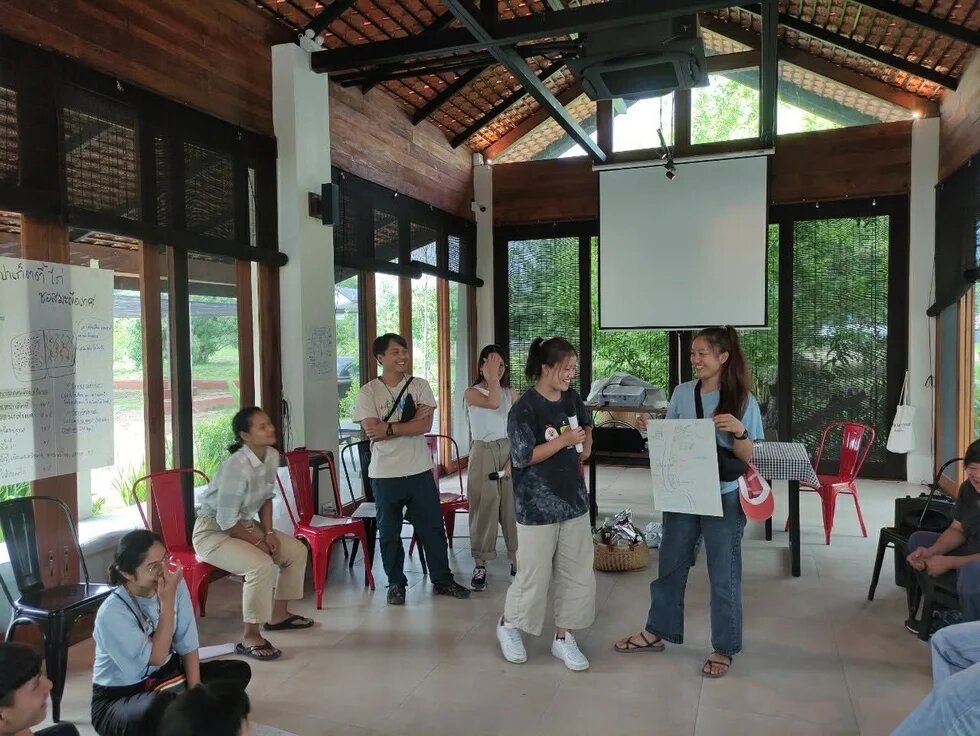
With increasing challenges facing local food systems due to the exploitation of natural resources, which harms the environment and affects food access and availability of food sources, this article explores the practices of a social movement called “Food for Change” through KinSchool – a community and learning environment that provides a venue for food services and knowledge exchange. In particular, it focuses on knowledge of seasonal foods, Indigenous foods, and local vegetables served on our tables. Understanding the origins of our food empowers individuals to make choices that support more sustainable and resilient food systems.

Introduction
Mainstream food systems worldwide, particularly in Southeast Asia, have been increasingly shaped by processes of modernization and industrialization in food production, processing, and distribution. Amidst these developments, local food systems where communities produce their own food using organic methods or obtain it directly from natural ecosystems, are facing significant challenges. These challenges are associated with the expansion of the large-scale food industry and major agri-food corporations, which play an influential role in shaping food consumption patterns and determining the availability and diversity of food sources at the local level.
Local food systems are closely linked to the concept of food security and food sovereignty. These concepts refer to adequate access to and control over safe, nutritious, healthy food and culturally appropriate food. They also include the right of local communities and smallholder farmers to preserve and use seeds for regenerative planting as a fundamental basis for sustaining life and livelihoods.
In Thailand, the food system has likewise been significantly influenced by the large-scale agri-food industry. Although the country has been promoted as the “Kitchen of the World,” following its participation in the Green Revolution during the late 1960s, the adoption of modern agricultural technologies and the extensive use of chemical fertilizers to increase crop yields have brought significant environmental and social consequences.1 Although these developments contributed to increased agricultural productivity, they have also raised concerns about environmental degradation, declining soil quality, biodiversity loss, and adverse impacts on human health associated with intensive agricultural production.
The expansion of conventional agriculture has shifted Thailand’s agricultural sector toward export-oriented production, with rice, cassava, sugarcane, palm oil, coconut, pineapple, and natural rubber leading agricultural products and raw materials.2The widespread adoption of industrialized agricultural practices has contributed to soil degradation, particularly given that approximately 50% of the country’s total land area is used for agricultural purposes.3 Against this backdrop, civil society organizations have expressed concerns about food security and food sovereignty, due to biodiversity loss and environmental degradation stemming from the industrialization of the food system.
With increasing challenges facing local food systems due to the exploitation of natural resources, which harms the environment and affects food access and availability of food sources, this article explores the practices of a social movement called “Food for Change” through KinSchool – a community and learning environment that provides a venue for food services and knowledge exchange. In particular, it focuses on knowledge of seasonal foods, Indigenous foods, and local vegetables served on our tables. Understanding the origins of our food empowers individuals to make choices that support more sustainable and resilient food systems.
Food activism for food system ensuring sustainability in health and environment
KinSchool (kin [กิน], meaning eat in Thai) is a new initiative that evolved from the Food for Change campaign launched by Kingkorn Narintarakul na Ayutthaya during her previous role at BioThai, where she advocated for sustainable food systems in Thailand and the Mekong sub-region for more than 15 years. At its core, KinSchool is driven by the concept that good food is an essential component of both a healthy lifestyle and sustainable environment. KinSchool is located in Lam Chan village, Nam Prae Sub-district, Hangdong District, Chiang Mai Province, in Northern Thailand.
KinSchool offers a variety of courses for individuals and groups interested in gaining a holistic understanding of the food on their plates and, ultimately, the broader food system. Through one-day sessions, participants are encouraged to reflect on and analyze their own eating habits. The courses include activities such as identifying food ingredients, preparing various dishes, and participating in workshops. These workshops were initially developed based on the experiences and lessons learned through the "Food for Change Campaign", which aims to help people better understand the food system and recognize their own role in its improvement and transformation.
Kingkorn explains:
“We want to focus more on developing people’s capacity and nurturing food activists rather than organizing campaigns or events. We engage in conversations with consumers to encourage them to question the origins of their food. We believe in the power of consumers to drive positive change in the food system for the benefit of everyone. Everyone can participate in building a better food system starting today at the individual level.”
KinSchool emphasizes that understanding the structural problems of the food system is not just about eating healthily or choosing clean food. It requires a shift in mindset that recognizes food as an entry point that connects to many other issues, including environmental management, political participation, social issues, health, and gender issues.
Understanding the Roots of our food
People’s first impression when they hear the name KinSchool is that it is a cooking school. However, that is not the only purpose. KinSchool’s goal is to go beyond what we see when we look at the food on the plate in front of us. The course is designed to encourage participants to ask questions that extends far beyond the food itself, encompassing the forest, the soil, the water, natural resources, genetic diversity, producers, and production methods.
“We encourage people to think about food beyond what is in front of them because food has a root,” Kingkorn says.
Our food has roots, both literally and figuratively. Vegetables, root crops, legumes, and other plants are deeply rooted in the ground. To develop a deeper and holistic understanding of food origins that can lead to changes in mindset and behavior, the first step is to recognize the major problem: good food systems existed, and in some places still exist, but they are under threat. This means that food systems built on sustainable production and harvesting practices that protect nature are being destroyed. For example, the Mekong River, a major source of freshwater protein for at least 60 million people in its lower basin, has been affected by numerous mega-projects, such as the construction of hundreds of dams. Additionally, these mega-projects have significantly reduced the food-resource base in the country and across the region. Together with soil degradation caused by the repeated use of agricultural chemicals, they have contributed to the loss of food and natural resources.
Secondly, these food systems are being undermined by the values and practices associated with modern trade, consumption, and culture. Such influences promote the perception that food should prioritize speed, convenience, and efficiency in response to increasingly busy lifestyles. Furthermore, food is expected to be produced on a large scale and at low cost.
Thirdly, this process reflects a form of market dominance in which corporations wield power and control over all factors of production. This process transforms agricultural production by replacing indigenous varieties with new strains that are more responsive to fertilizers and pesticides, resulting in progressively poorer taste and reduced resistance to climate change. These developments represent some of the key challenges facing contemporary food systems.
“Large-scale industrial food systems, which rely on additives to extend shelf life and produce food in large quantities throughout the year regardless of season, are a major driving force behind many problems in food production and food systems. This affects the environment, producers who consistently face low margins throughout the supply chain, and leads to environmental damage, health problems, contamination, soil degradation, and much more,” Kingkorn explains.
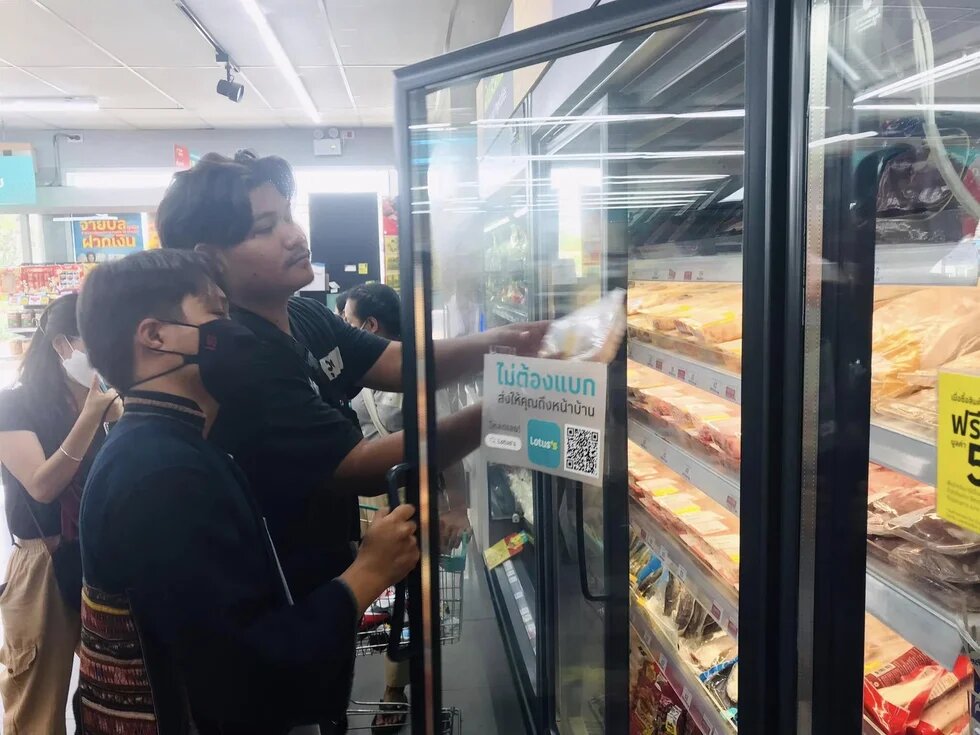
Kingkorn suggests that what we can and should do is identify examples of a good food system that still exists and need to be highlighted more widely. This can encourage consumers to question their patterns of consumption, make choices that contribute to a healthy life and a sustainable environment, and ultimately change their eating habits.
Underlying the need to promote good food system, Kingkorn explains:
“There are still food resource bases to revive and plenty of examples to be seen. They still exist, and there is still an opportunity to revive them so that they become significant options in the market, not merely for meeting basic needs. They have to be economically viable. We need to take economic considerations into account. For example, many people do not know yet how to consume local foods properly – whether edible plants, leaves, vegetables, or fruits. The point is that because they do not know how to eat them, nobody collects them for sale.”
She also emphasizes that food systems can be managed in ways that are resilient, diverse, naturally balanced, and aligned with seasonal production capacity. This represents an example of a desirable food system that distributes income and benefits everyone equitably across the supply chain. While there is no objection to people occasionally purchasing food through modern trade channels, such practices should not disrupt the existing food systems.
Food systems and the promotion of organic movement
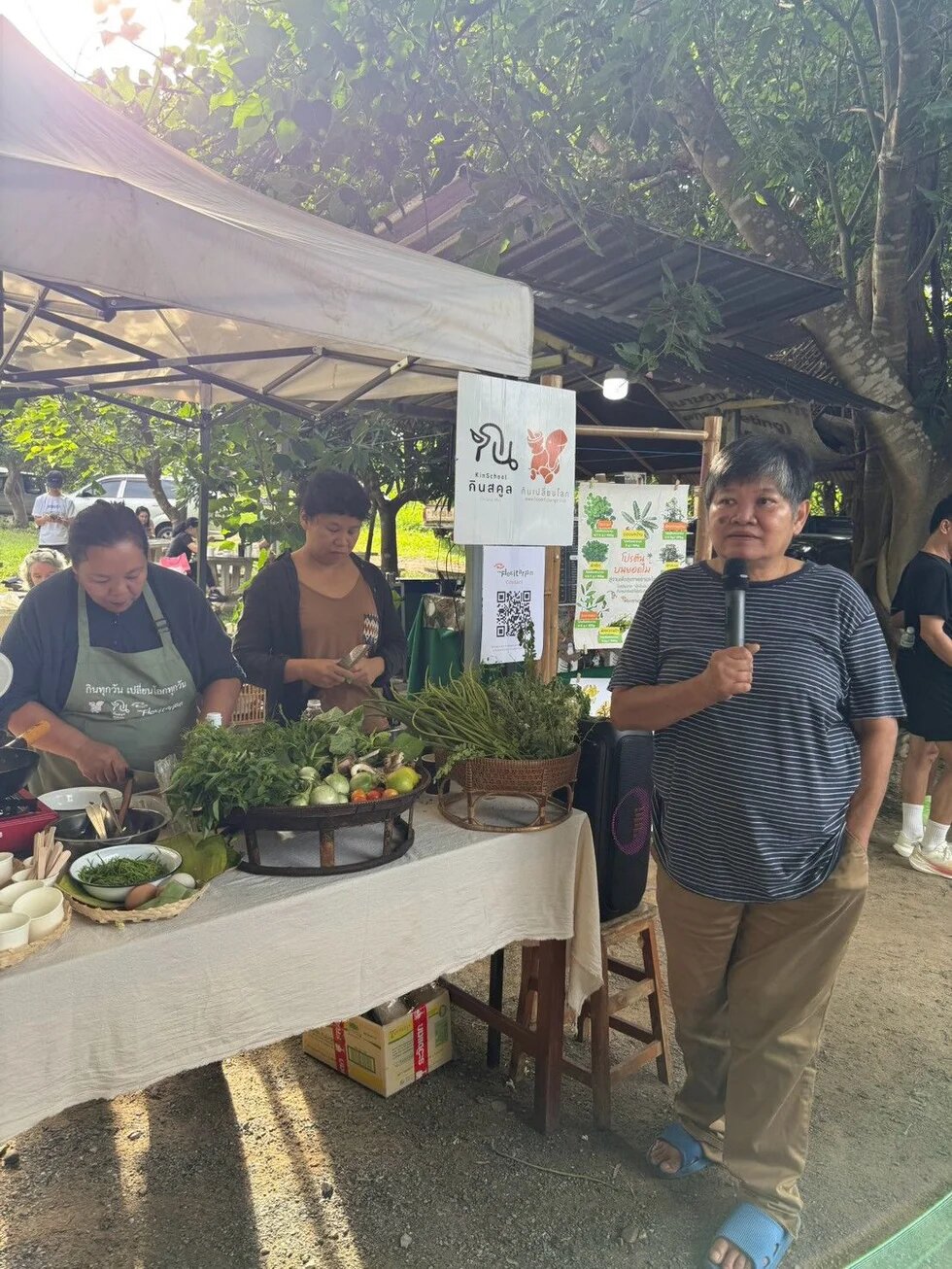
Jiratthitikarn Khamkat or Ying is a member Maetha Organic, located in Mae On District, Chiang Mai Province, Thailand. It is a community enterprise that grows and markets organic produce both locally and beyond the community. She supplies organic produce for KinSchool for use in its workshops. She is also one of participants in the school’s curriculum. Through this engagement, Ying has further applied what she has learned to communicate and advocate for the importance of organic produce for both human health and environmental sustainability.
Ying began with a question:
“How can we reach customers who truly genuinely want organic produce? Some customers might feel that organic products are expensive and inaccessible. But as producers, we do not consider our products expensive at all. For example, we sell vegetables at local fresh market for 5-10 baht ($0.15 to $0.30) per bundle. We continue to explore ways to connect our products with customers. That is still an area we need to develop. We have continuously communicated the value of our products, and KinSchool is one platform that has helped us do so.”
To promote the organic food movement, knowledge and adequate technological support for farmers are key drivers. At Maetha Organic, Ying says that they are trying to develop methods for managing organic farming with limited labor and accessible machinery. For example, when they need to plow and prepare the land, they often have to wait for tractors and harvesters. As farmers who did not grow up in an era without machinery and who may not have the physical strength required for intensive manual labor, they need labor-saving technologies and the knowledge to apply them effectively in their organic farming practices.
Food knowledge of Indigenous and local communities
Local cuisine reflects both biodiversity and seasonality. It embodies extensive knowledge of plant-based protein sources. This knowledge has been preserved by Indigenous and local communities for generations and should continue to be passed down.
In reality, local cuisine, whether in the Northern Thailand or in other regions, does not typically involve the consumption of large quantities of meat, except during festivals or special occasions when cattle or buffaloes are slaughtered.
Northern Thai cuisine is largely based on a combination of vegetables, fish, legumes, and chili paste. Common dishes include mixed vegetable curry, curry with grilled fish, and local vegetable curries prepared with small amounts of pork, mushrooms, or other available meats.
Furthermore, in the mountainous areas, many ethnic communities retain food knowledge influenced by Myanmar, southern China, and India. These communities possess extensive and diverse knowledge of consuming legumes and other plant-based protein sources. Historically, meat consumption was limited, and plant-based foods therefore played an important role in local diets. This knowledge continues to be preserved among ethnic communities representing a valuable cultural heritage.
According to Kingkorn, local communities, including those in Southern Thailand, consume a wide variety of beans, including traditional varieties and many others. She suggests that learning from their eating practices by either adapting these methods directly, or adapt to contemporary lifestyles. For example, traditional ingredients can be incorporated into salads, making them more appealing to urban consumers who enjoy eating vegetables. Kingkorn also says that this traditional knowledge remains relevant, interesting, and practical for everyday life.
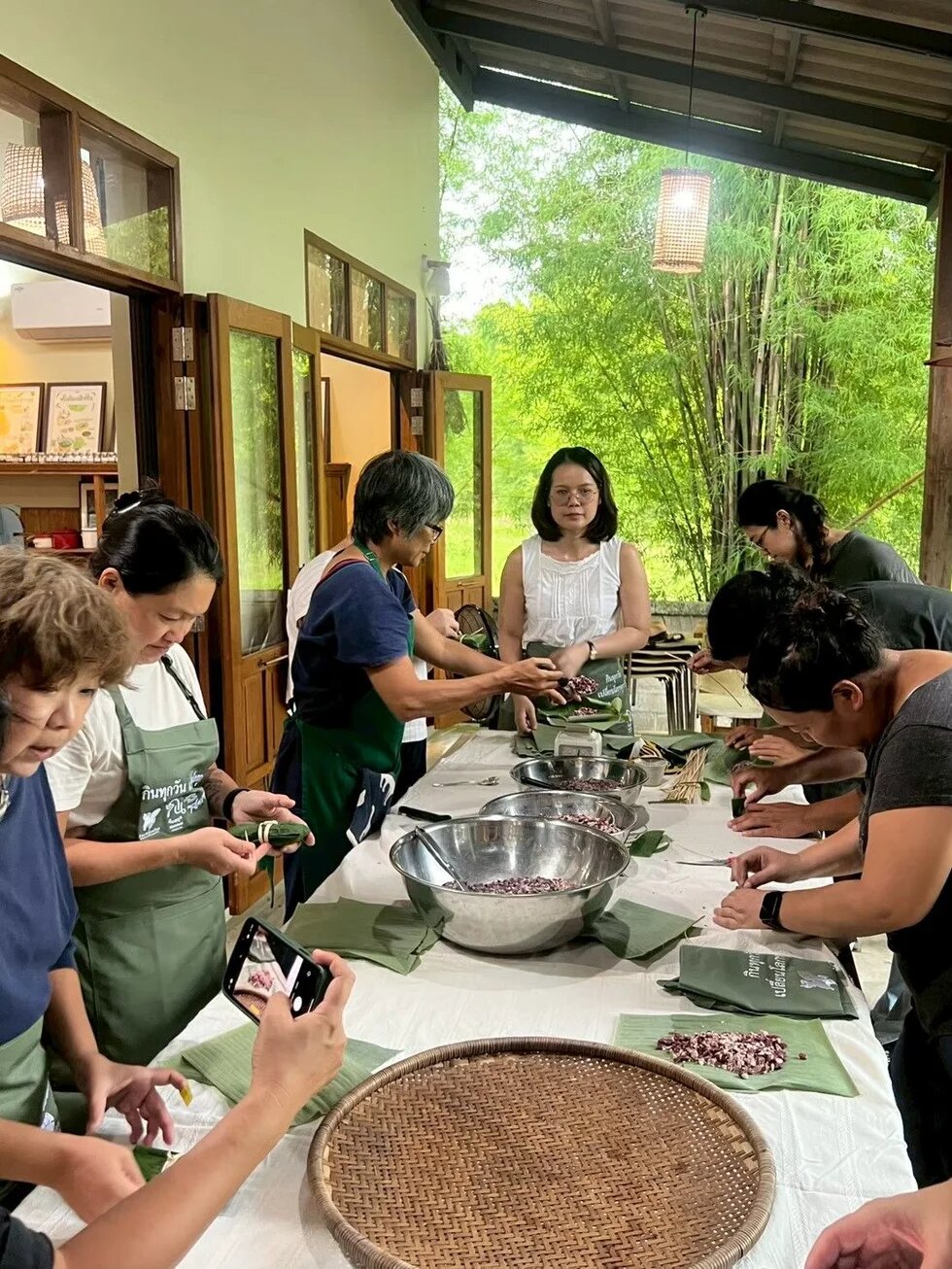
From the perspective of environmental sustainability, consuming plant-based protein can contribute to reducing carbon emissions compared with consuming meat and other animal-based proteins. The Guardian reported that meat production alone is responsible for nearly 60% of the food sector’s climate emissions.
In response to the growing trend of plant-based consumption, Kingkorn views it is a solution for the future. Hence, KinSchool also offers courses and menus that help participants design nutritionally balanced meals without compromising protein intake while also providing essential vitamins, beta-carotene, and antioxidants derived from plants.
“We believe that reducing our consumption of animal protein is beneficial for our health while also helping to reduce carbon emissions and oil consumption,” Kingkorn says.
Archa Chermue, an Akha Indigenous youth, participated in the food systems course offered by KinSchool. Reflecting on the value of indigenous food, he shares that the ingredients used in traditional ethnic dishes vary according to the seasonal vegetables available in each household. Importantly, most ethnic communities cultivate vegetables in natural environments rather than through large scale production. They rely on areas with natural water sources, such as streams, where vegetables can thrive. The diversity of their diets is closely linked to biodiversity, as they consume vegetables that are seasonal and available in their local environments.
The power to choose healthy food and a healthy lifestyle
Apart from knowing where the food is from, understanding how to access food that is both healthy and benefits the people throughout the supply chain, as well as to the environment and the planet, is an important step.
Kingkorn explains:
“Food production is both a way of life and a livelihood. Even without oil, if we stay at home and still have food to eat, that's fine. But right now, I can't breathe properly when dangerous level of P.M 2.5 spread into my bedroom, which, to some extent, is linked to a large-scale food production methods.”
“The point is that food is life, and producing good food is essential for everyone. It is vital both to human well-being and to the livelihoods of a large number of people. Food production should not be confined to a single factory.”
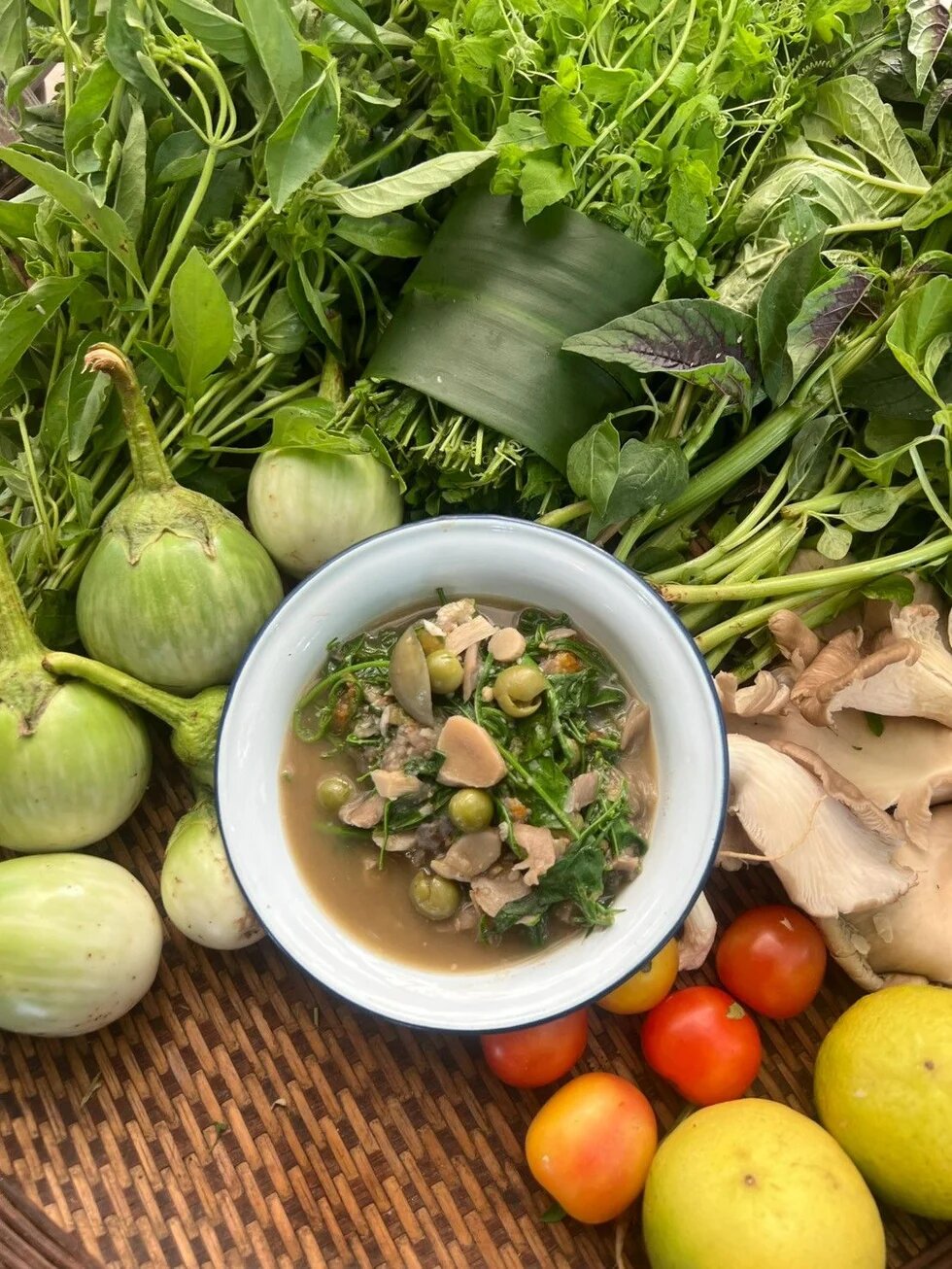
As an organic farmer, Ying believes it is essential to produce not only food that is nutritious but also food that is visually appealing, naturally flavorful, and nourishing, contributing to a longer and healthier lifer.
“If we eat food made from seasonal ingredients, it will taste delicious on its own without needing any additional seasonings. The aroma will also be clean; it will not smell of fertilizer or pesticides, but instead like the fresh air that we can breathe,” Ying explains.
For Archa, meaningful change begins with the power to choose what we eat. He emphasizes that if the food products available in large supermarkets are not beneficial to our health, change must begin with individuals using their purchasing power to decide what they eat and what they pay for.
“We have to start with ourselves. We don't have to support anything that we feel is unhealthy. It's simple: just go to the market and buy vegetables, chilies, and fish from vendors who source them from nature. Keep it simple; find seasonal vegetables. We can do this because we have the ability to choose what we eat and what to use. Start with yourself,” Archa says.
Kingkorn also supports Archa’s view that, in terms of lifestyle, keeping things simple and increasing the amount of vegetables and plant-based foods in our diet can lead to significant change over time. She believes that transitioning to organic food does not need to happen all at once. Instead, small changes in daily habits, such as eating more vegetables, can contribute to healthier and more sustainable lifestyles.
“Whether you need to cook a new meal or not, it's all part of the solution. I believe humans can solve problems, but you have to believe that there is a way forward. You have to believe you have choices. Lifestyle changes start little by little like this,” Kingkorn says.
At KinSchool, they believe that a good food system should nourish people, respect the environment, and ensure that everyone along the food chain benefits in a fair and sustainable way.
___
This article is also available in Thai language
Footnotes
- 1Changes in paddy soil fertility in Thailand due to the Green Revolution during the last 50 years: https://www.tandfonline.com/doi/full/10.1080/00380768.2020.1814115#abstract (Last accessed 17 April 2026)
- 2Thailand: - food industry: https://share.google/bIKp13XGSm1A7soWC (Last accessed 17 April 2026)
- 3Thailand: - food industry. Ibid.


