
Photo essay
There seems to be no rainbow after the rain, particularly when the storm was as strong as Cyclone Senyar, which struck three Indonesian provinces on the island of Sumatra on November 25, 2025 leaving thousands of people homeless and hundreds dead. Three months later, as they prepare for the fasting month of Ramadan, the people are left in vulnerable situations with inadequate support from the government. Yet, there may be a silver lining: President Prabowo revoked the permits of 28 companies involved in forestry, plantation, and mining, accused of ecological damages in Aceh and Sumatra Province. Still, with investigations ongoing and accountability elusive, the people bear the heavy cost of the climate crisis, waiting for a chance to rebuild their lives, dignities, and homes.

Intensified by climate crisis, Cyclone Senyar caused destructive floods and landslides across parts of Sumatra
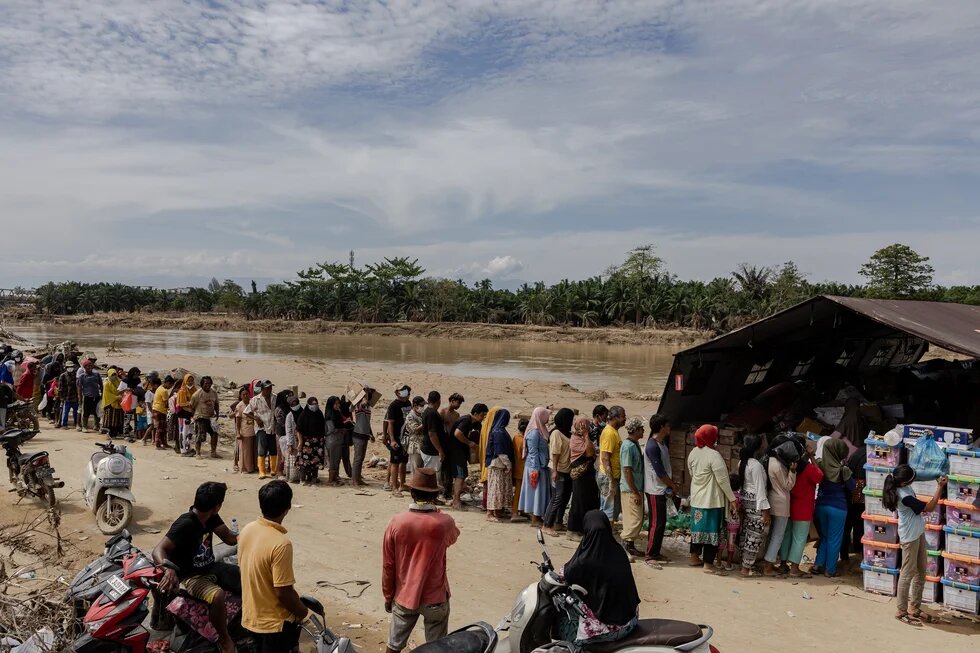
Three months have passed since Cyclone Senyar struck North Sumatra, West Sumatra, and Aceh, Indonesia on November 25, 2025, and the situation has not improved. Hundreds of thousands remain displaced, with villages isolated by damaged roads and bridges. In Aceh Tamiang, 300,000 residents remain in overcrowded shelters without basic facilities. As the country observes Ramadan, from February 18 to March 20, families face the holy month of fasting without safe homes, adequate sanitation, or reliable food supplies. The lack of clean water for drinking and daily use leaves residents vulnerable to illness. Survivors rely on river water collected and settled before use, but this is not enough to ensure potability. With schools closed and children confined to shelters, the social and psychological toll grows heavier each day.
Despite local leaders’ urgent call on the government to declare a national emergency and release relief funds, President Prabowo Subianto insists that the situation is “under control” while rejecting foreign assistance. Instead, he has deployed warships and helicopters to deliver aid. He also revoked permits for 28 companies accused of worsening ecological damage, as well as fuelling conflicts with residents and indigenous communities in regions such as Simalungun, Toba, North Tapanuli, and the Mentawai Islands in Aceh Tamiang Regency, in Aceh Province. The Ministry of Forestry and the National Police Criminal Investigation Agency are investigating incidents of logs washed away during floods.
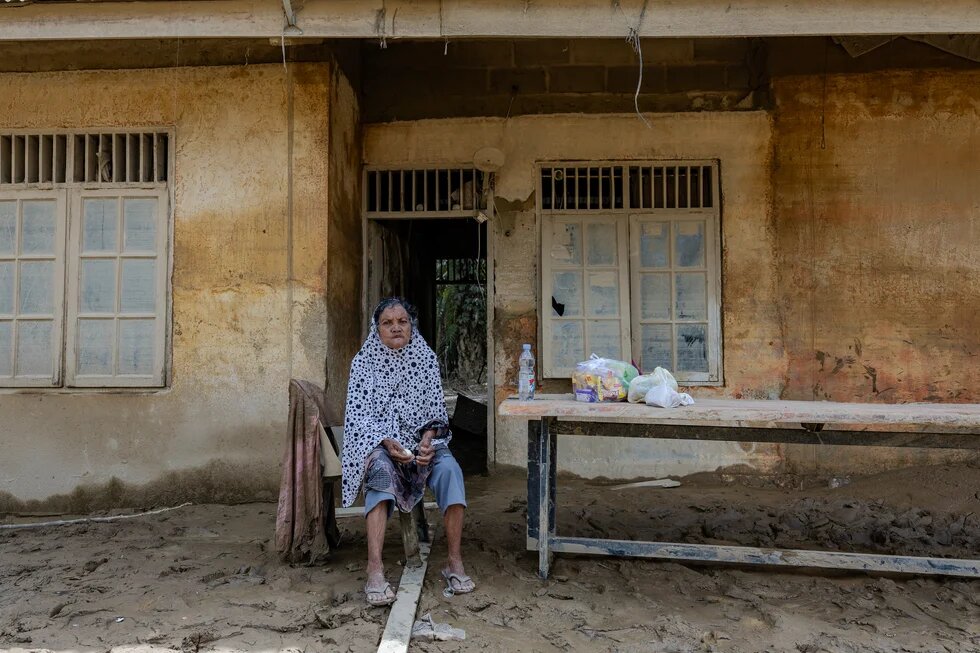
Survivors recounted their harrowing experiences to this author during his visit in the aftermath of the disaster last December. Siti Basmallah, one of the survivors from Babo Village, lost both, her husband and her home. Zul and his family, from Lintang Bawah City in Aceh Tamiang Regency, lost everything except the clothes in their bags. The floodwaters rose to 15 meters, submerging most houses. Villages turned into rivers. In Tanjung Karang, Syahrial Umar compared the destruction to a tsunami describing the powerful currents that swept away homes and loved ones. Many of them have not eaten for days and collect rainwater to drink.
According to the National Agency for Disaster Countermeasure (DAS), between 2003 and 2018, the Tamiang River Basin in North Sumatra experienced 37 floods, with the most severe occurring in the months from October to December. Over the past two decades, forest cover has been replaced by oil palm plantations and settlements. Seventy-one percent of land is now palm oil plantation, while mangrove forests and dryland agriculture have declined more than 60 percent. These shifts have degraded ecosystems, reduced biodiversity, and increase flood vulnerability. Meanwhile the expansion of oil palm, coffee, and cocoa plantations on steep slopes eroded landscapes. Settlements are inundated with mud and debris as waterways are diverted by log blockages, exposing failures in spatial planning.
According to a study by Greenpeace, Sumatra’s natural forests have been drastically reduced due to mismanagement. Of the island’s 47 million hectares, less than 30 percent remain forested, placing most watersheds in critical condition. In a press release, the organization called for investigations into the massive amounts of logs and trees swept downstream, likely linked to logging and land clearing. If left unchanged and without urgent action from the government and the communities, Sumatra’s people will continue to pay the price of climate crisis.
Floods that carried logs into settlements exposed systemic failures. Evacuations stalled, aid was delayed, and damaged infrastructure disrupted coordination, all of which are critical to saving lives during early disaster response. Many survivors say their misery has been compounded by inadequate rescue efforts, especially a lack of heavy machinery to clear the logs, boulders, and other debris.
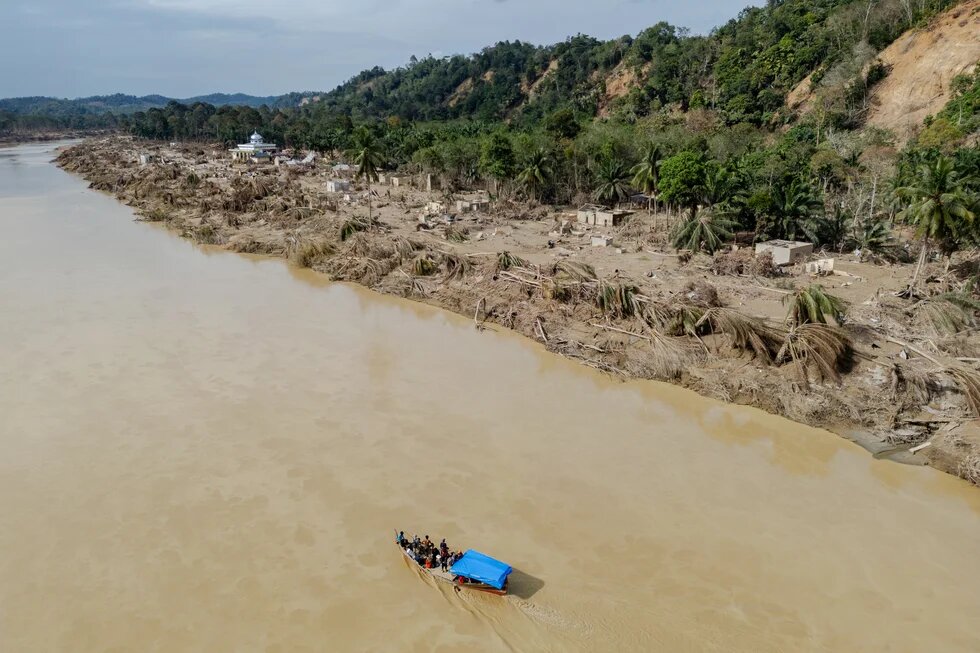
More than three months after the disaster, millions across Sumatra remain displaced. Floods have damaged roads and bridges, isolated villages, and caused widespread mud and power outages.
Zul says his family is surviving on what's left in the aftermath of the typhoon. "We only have the clothes on our backs and haven't eaten for three days; we're collecting rainwater to drink." The following photos visualize the situation Zul and his family and other residents of Northern Sumatra island are faced with.
Photos
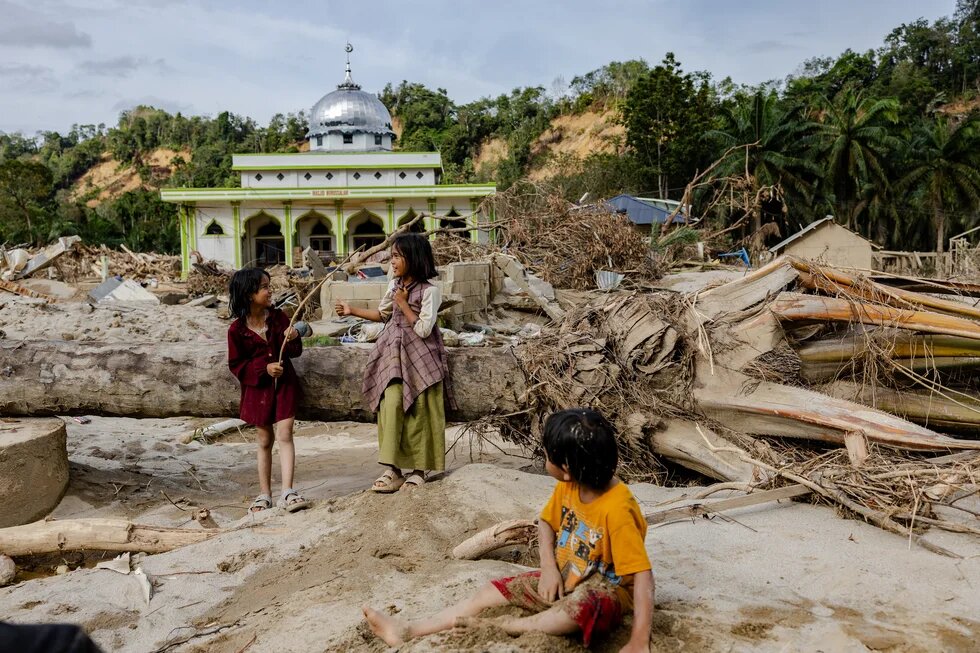
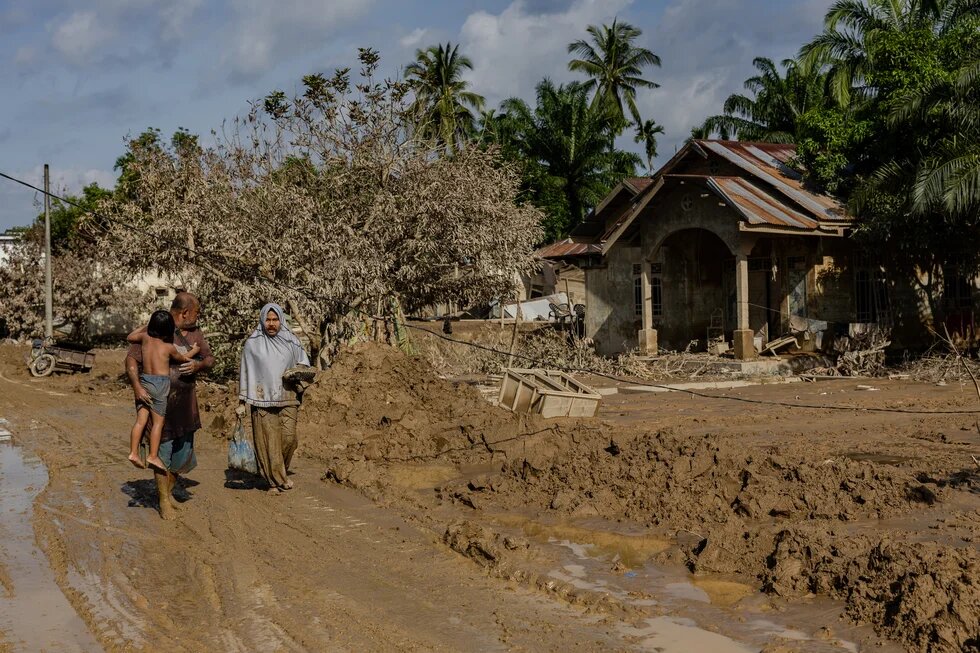
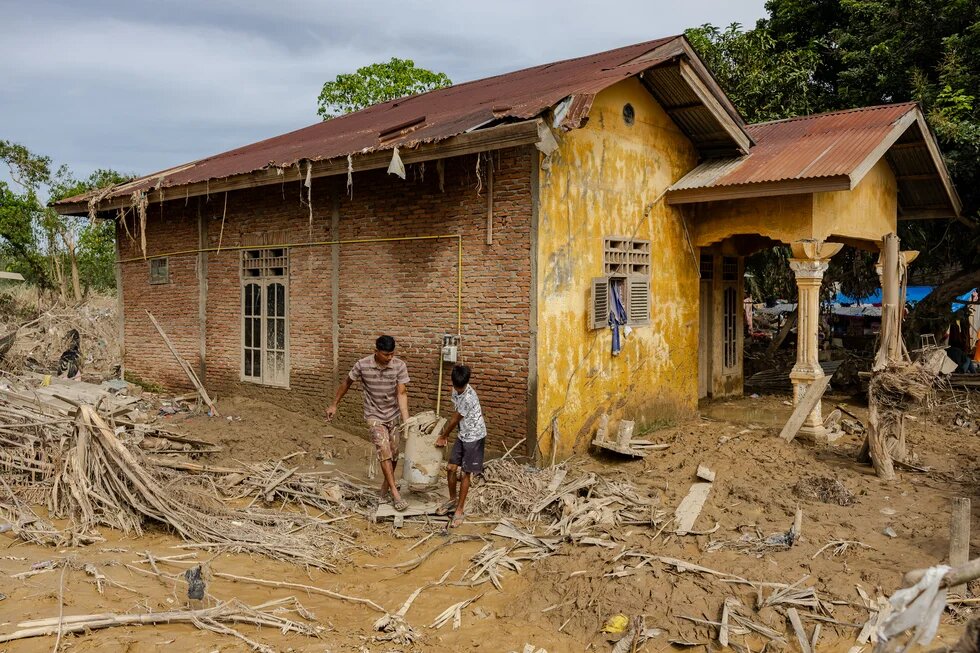
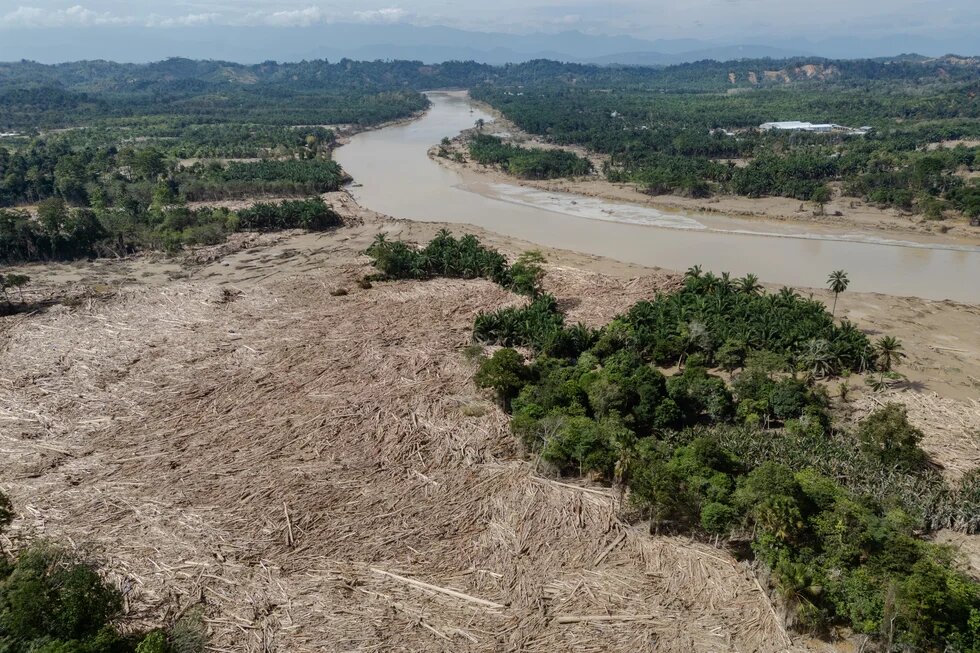
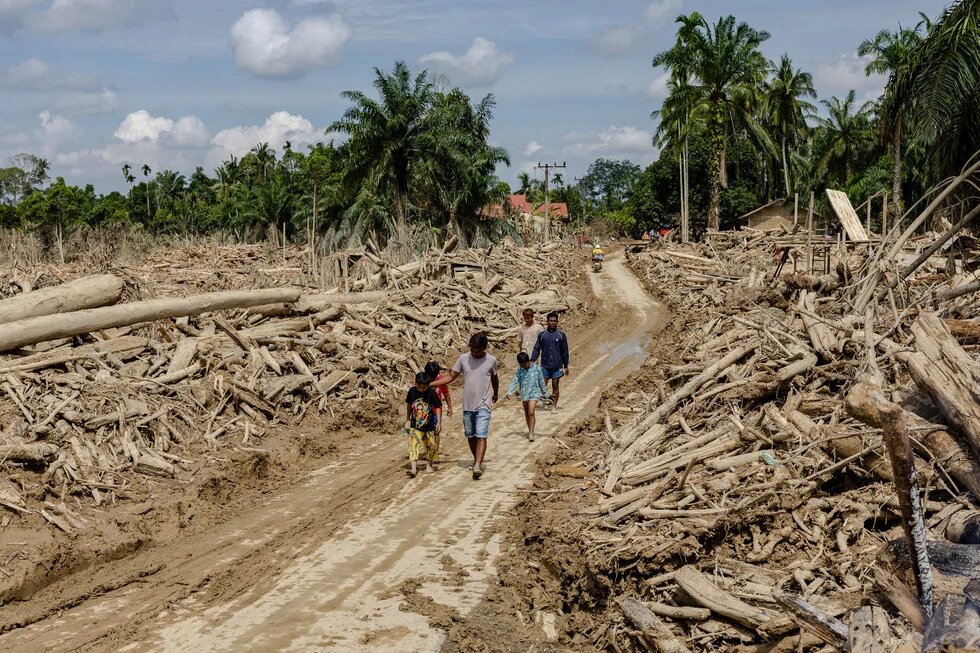
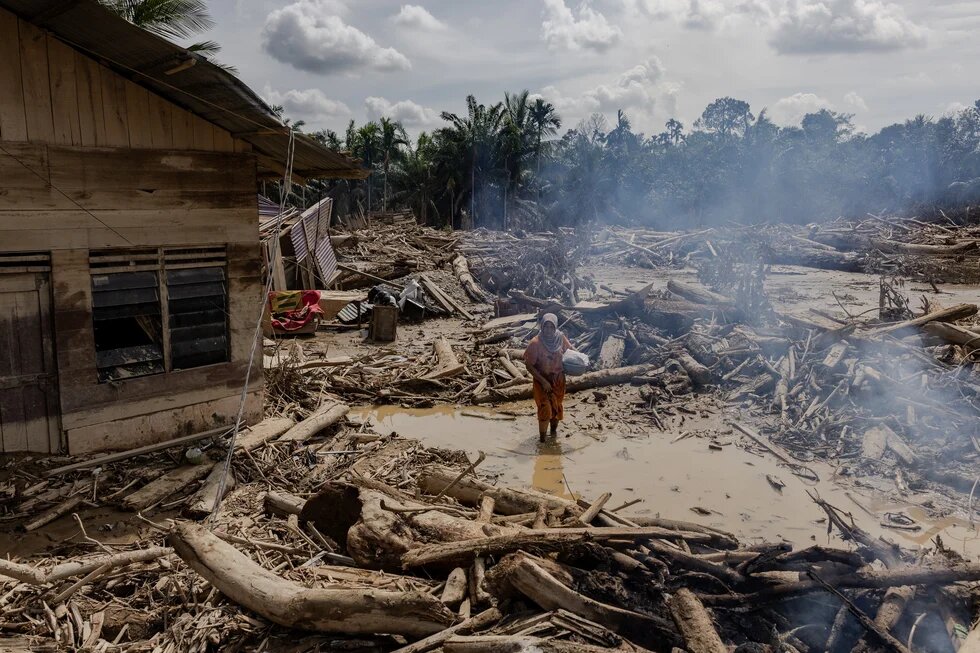
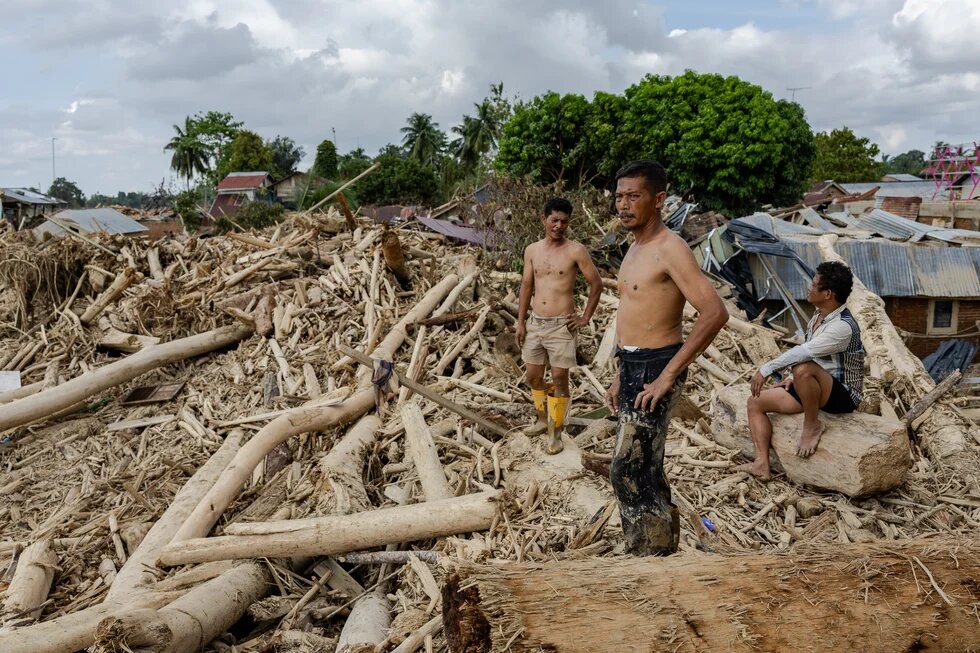
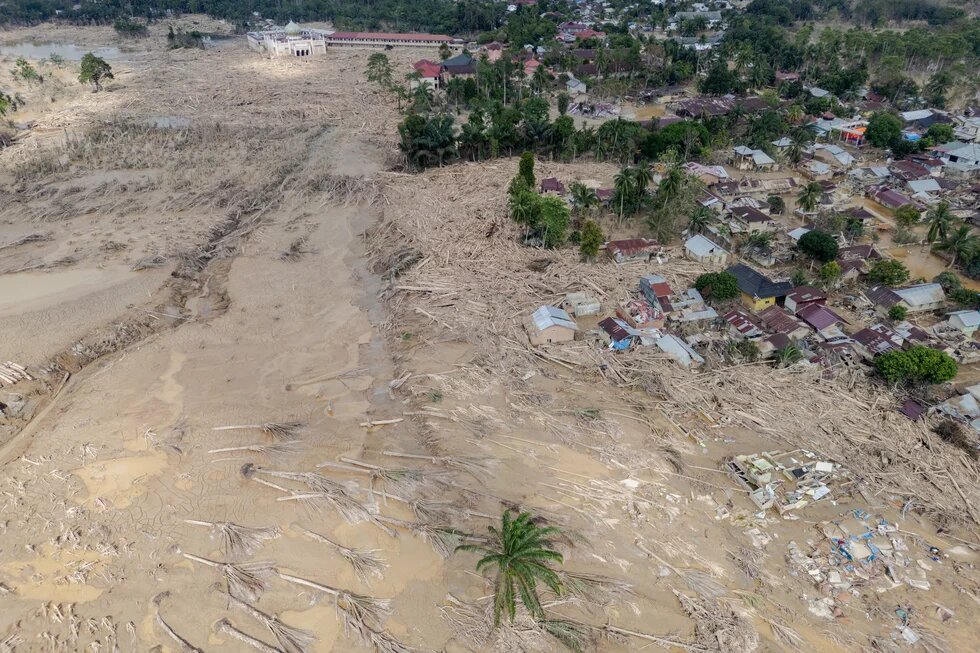
Drone Footage: A drone view shows an area devastated by a deadly flash flood in Kota Lintang Bawah village, Aceh Tamiang Regency, Aceh Province.
___
Garry Lotulung is a freelance photojournalist and documentary photographer based in Jakarta, Indonesia.
Disclaimer: This published work was prepared with the support of the Heinrich Böll Stiftung. The views and analysis contained in the work are those of the author and do not necessarily represent the views of the foundation. The author is responsible for any liability claims against copyright breaches of graphics, photograph, images, audio, and text used.


