
Article
After decades of struggle, Timor-Leste is finding hope in coffee. Once introduced by Portuguese colonizers, Arabica trees have become part of the nation’s identity, and the resilient Híbrido de Timor variety now symbolizes its strength. Today, Timor-Leste’s purely organic coffee is gaining recognition on the global stage, yet climate change, weak infrastructure, and limited services threaten its growth. In response, young entrepreneurs, government leaders, NGOs, and funding agencies are joining forces to revitalize the sector. Their collective effort could transform coffee into the engine of national development—if action is taken before it is too late.
This article is part of web-dossier "Brewing Resilience: Coffee and Climate Change in Southeast Asia"

Timor-Leste is standing at a turning point: transforming its coffee sector today, or risk missing one of the biggest development opportunities of its generation.
Timor-Leste is one of the world’s youngest nations, gaining independence from Indonesia in 2002, yet it carries a long history with coffee. Introduced by the Portuguese in the 1800s, Arabica coffee has become deeply rooted in rural life. Across the mountainous municipalities of Ermera, Aileu, Bobonaro, Manatuto, Ainaro, Same, and Likisa, families have passed down small coffee plots for generations, along with the knowledge of how to nurture them. For many Timorese, coffee is not just a crop, it is a livelihood, identity, and a symbol of resilience in every bean.
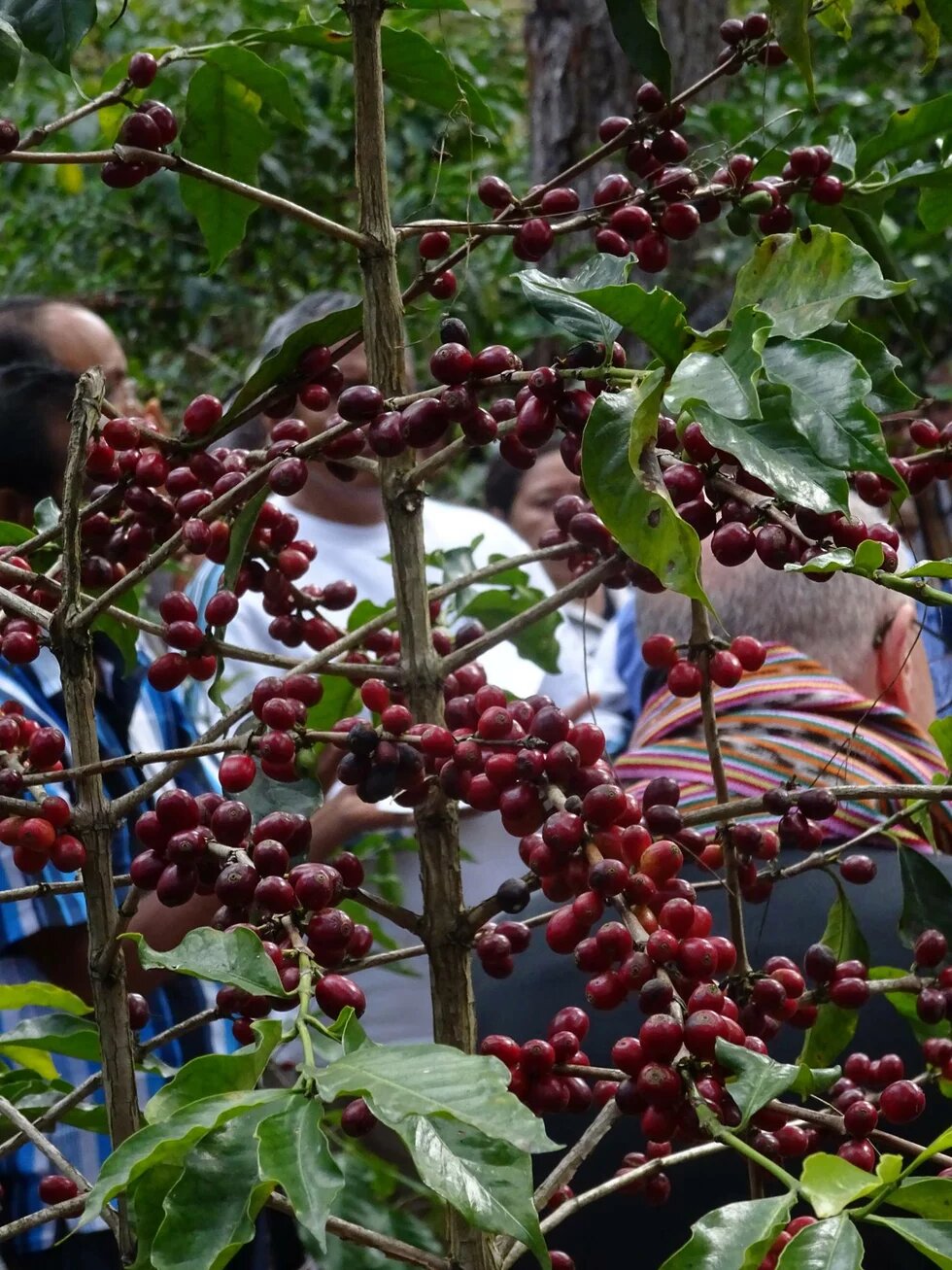
What sets Timor-Leste apart is a natural advantage rooted in its land and climate. Most farms are organic by default due to a result of limited access to chemical inputs, traditional farming practices, and economic constraints. Coffee grows under native shade trees in agroforestry systems that protect biodiversity and soil health. High elevations and unique local varieties like Hibrido de Timor (HdT) (arabica x canephora), a naturally occurring coffee variety that contributes to flavor profiles that are increasingly appealing to specialty coffee buyers worldwide. Discovered in 1930, HdT was the result of interspecific cross between Cafe arabica (Arabica) and Cafe canephora (Robusta). This variety is also pest-resistant particularly to coffee leaf rust, and fungal virus.
Coffee and National Development
Coffee plays a dual role in Timor-Leste’s future. It sustains the income of rural families while offering a pathway to broader economic development. A stronger coffee sector can boost exports, create jobs, reduce poverty, and help define the country’s global image.
Today, coffee remains a critical part of Timor-Leste’s economy. An estimated 38,000 households rely directly on coffee income, making it the country’s largest non-oil agricultural export. In 2019, it accounted for 90 per cent for the country’s export revenues. In areas where job opportunities are limited, it serves as the main source of cash, therefore, it could play a much bigger role in the economy. The World Trade Organization’s reports suggest that around 35% of the population benefit from the coffee industry in some way. Women are actively involved in coffee farming and processing, particularly in tasks such as harvesting, washing, drying, and trading, and they contribute significantly to family income from coffee. In some community studies, women’s work accounted for over half of the contribution to household coffee income.
Coffee was the third most exported product in Timor-Leste. In 2023, Timor-Leste exported USD 19.1 million of coffee, making it the 67th largest exporter of coffee, out of 198. Export destinations were Indonesia, United States, Canada, Portugal, and Australia. Between 2022 and 2023, the fastest growing markets for coffee exports were Portugal, Ukraine, and Taiwan,
However, current productivity remains very low and national yields average 195-204 kilograms of green bean equivalent (gbe) per hectare. These yields were concentrated in the core coffee municipalities of Ermera, Manufahi, Liquiçá, Ainaro, Aileu, and Bobonaro and Manatuto, representing 97 percent of the total production, while other municipalities do not have significant production mainly due for home consumption. It is far below the regional competitors producing 600-1,000 kg of gbe per hectare.
In May 2025, the National Director of Foreign Trade at the Ministry of Trade and Industry reported that there was a sharp decline in coffee exports, with only 96 tons in the first quarter of the year compared to over 558 tons of export in 2024. The decline in production in recent years is due to several factors including climate change, aging coffee and shade trees, lack of processing infrastructure and road networks, low market price due to intermediaries.
To move forward, systematic changes are needed – starting with the barriers farmers face.
The Challenges in Brewing
Climate change affects the productivity of coffee trees. However, despite the most common native variety, Hibrido de Timor can tolerate higher temperatures, the unpredictable rainfalls and long dry spells could further reduce the yields of coffee trees. In addition to climate change, aging coffee and shade trees are one of the most pressing issues. Many of Timor-Leste’s coffee trees are 40-50 years old, having never been properly pruned or rejuvenated. Without fertilizers or modern farm inputs, it is rare, and most farmers still depend on inherited knowledge rather than formal training. Climate changes for longer dry seasons and unpredictable rainfall.
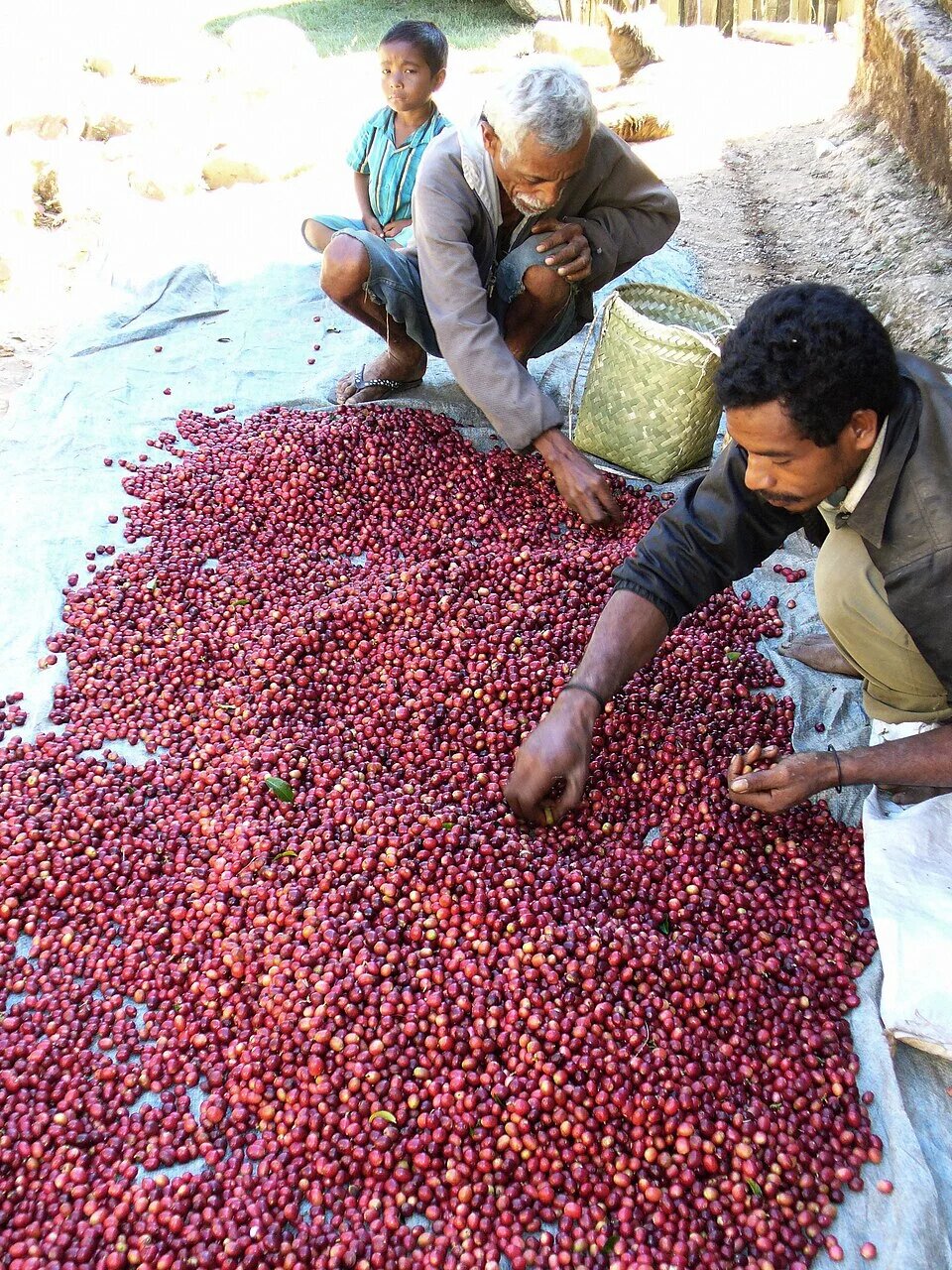
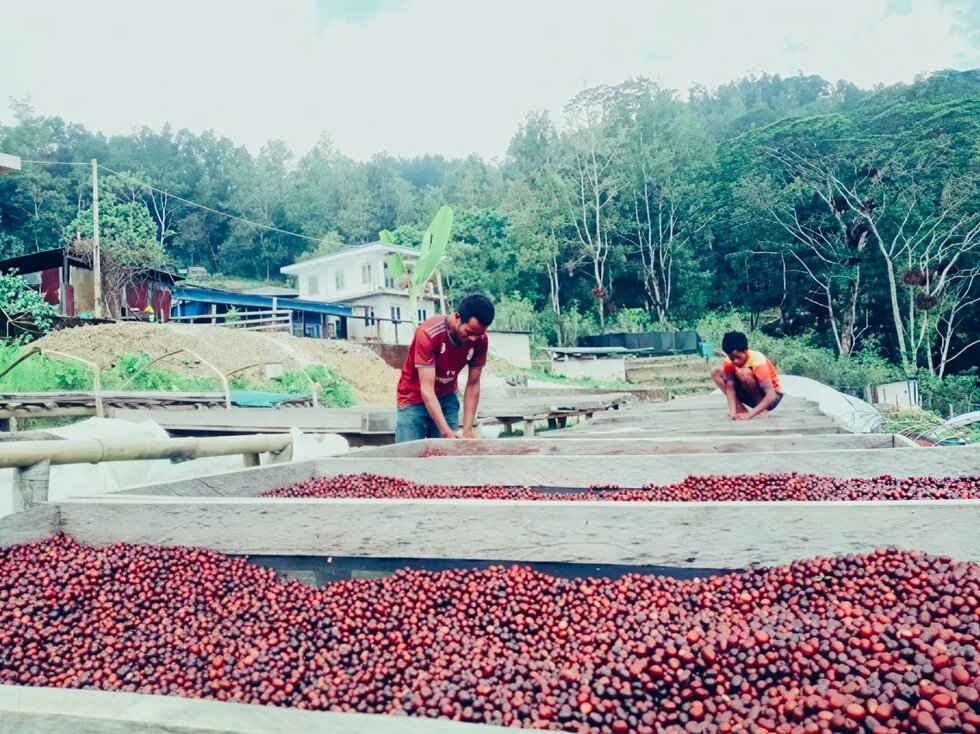
Processing infrastructure also affects the coffee industry. How coffee is processed after harvest has a major impact on quality. Many farmers still depend on basic manual tools or dry cherries on plastic sheets near their homes. This leads to inconsistent fermentation and drying, resulting in defects that prevent beans from meeting premium market standards. Modern washing stations are scarce, limiting opportunities to improve quality. Poor road quality and high cost of transportation, particularly during rainy season, also affect the access of the farmers to markets.
Market dependence on intermediaries or middlemen also undermines progress. In many rural communities, intermediaries provide quick cash but pay low prices. This system weakens farmers’ bargaining power and discourages quality improvement. Financial literacy is another barrier. Many coffee growers lack training in basic financial management – budgeting, cost tracking, or record keeping. These skills are essential in a specialty market where quality differentiation and long-term planning are key to a successful venture. Financial services and access to credit for smallholder farmers are also lacking, therefore, they have limited opportunities to improve their processing infrastructure, thus, affecting quality coffee products.
Seeds of Promise
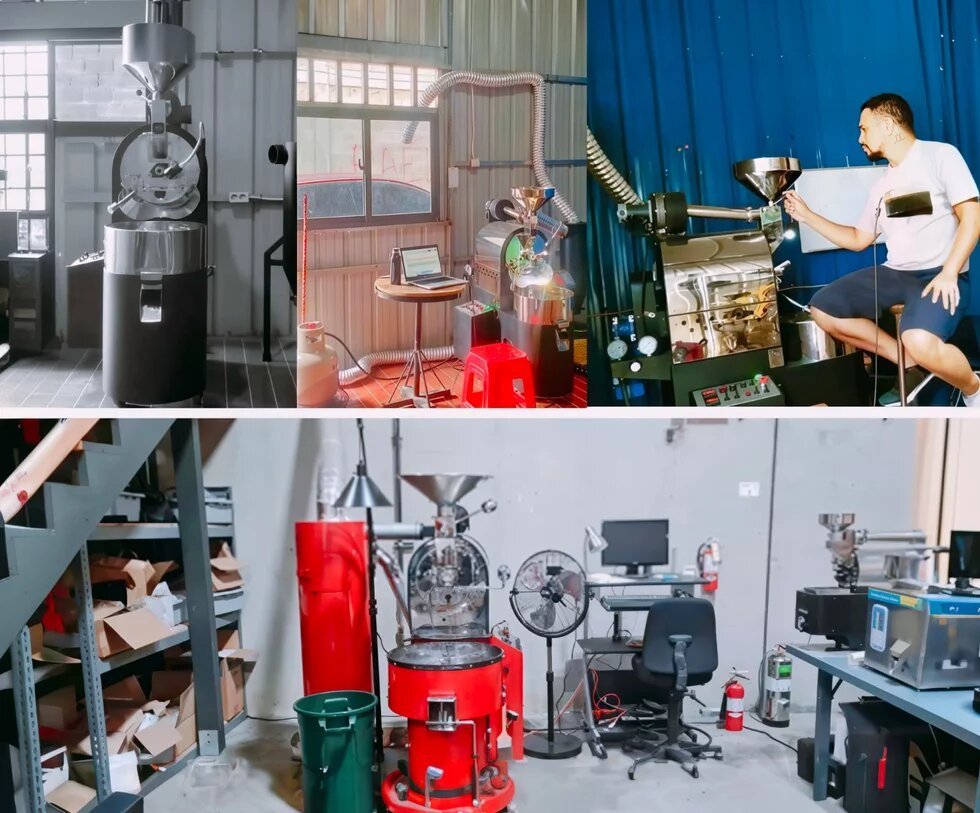
Young generation of Timorese entrepreneurs are also brewing fresh energy into the industry. Micro-roasteries, cafés, and small export companies are emerging in Dili and beyond. These entrepreneurs focus on branding, digital marketing, and experimental processing techniques, helping to modernize the industry from the ground up – thus, transforming the domestic market. Just a decade ago, most Timorese did not drink locally roasted coffee. Today, a growing number of small roasters now sell directly to consumers, allowing more value to stay in the country and supporting job creation and skills development.
More farmers are also gaining access to training programs and knowledge about composting, fermentation control, cupping, and business skills. Meanwhile, efforts to strengthen cooperatives are improving collective bargaining and information sharing.
Government Commitment and Long-Term Strategy
The government, in partnership with the Asian Development Bank, has launched the National Coffee Sector Development Plan (2020-2030). This plan outlines a long-term vision focused on five keys areas: rejuvenating 18,000 hectares of aging farms, introducing resilient Arabica varieties, doubling farmer incomes, and positioning Timor-Leste as a specialty origin.
Central to the National Coffee Sector Development Plan (2020-2030) is the replanting and rehabilitation of 18,000 hectares of aging farms by 2030, alongside the introduction of improved Arabica varieties that are more resilient to climate pressures and pests, with the goal of raising productivity to 600 kilograms per hectare within a decade. Equally important is reducing rural poverty: by doubling farmers’ incomes, poverty among coffee households could fall from 50 percent to 28 percent, supported by better access to inputs, crop diversification, and stronger market integration.
The plan also emphasizes strengthening cooperatives through digital traceability systems, improved financial governance, and unified quality standards. To enhance quality and competitiveness, investments will be made in solar dryers, community wet mills, and quality control laboratories, with private sector partnerships expanding access to modern processing facilities. Finally, the strategy seeks to build a national brand that positions Timor-Leste as a specialty origin, highlighting its organic practices, heirloom genetics, and traditional farming systems as unique selling points on the global stage.
However, it is important to acknowledge concerns that top-down extension services and new technologies may risk displacing farmers’ inherited knowledge and customary practices. This emphasizes the need to ensure that future interventions remain grounded in local experience and participation through farmer-led approaches.
Entrepreneurs as Catalysts
Entrepreneurs play a pivotal role in this transformation. They link remote farmers with international buyers, build national coffee brands, and open cafés that promote local pride. Companies like Avo Si’ak Coffee, Café Organiku Atsabe, Café Letefoho, and Maubere Mountain Coffee are leading by example. They pay fair prices, train farmers, and export premium beans under the Timor-Leste label. Every bag sold builds recognition and trust in the country’s growing reputation.
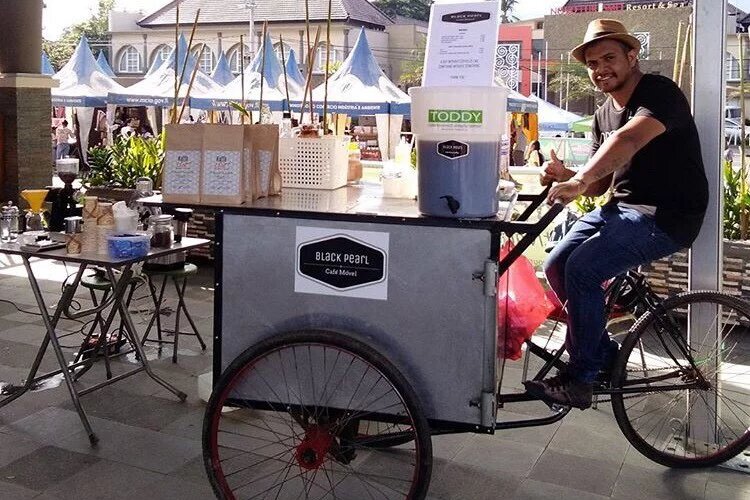
In every sip of coffee: personal reflection
Coffee is very personal to me. After working abroad for some years. I returned to Dili in 2015 and saw the gap in the local coffee market. Since then, I have built a coffee business that began with a mobile coffee cart. I source coffee beans directly from farmers in the provinces, process and roast them myself, and serve them to customers at my coffee house in Farol.
Therefore, as someone deeply involved in the sector, I witness potential every day. I meet farmers who take pride in their land, young people eager to innovate, and local consumers rediscovering the richness of homegrown coffee. The road ahead will not be easy, but the opportunity is undeniable.
Timor-Leste’s future in coffee depends not just on beans, it depends on the people. With shared purpose and strategic action, this small nation can build a coffee industry that can compete on the world stage and thrive.
Coffee is more than a drink; it is our culture, our story, our identity. Yet climate change now threatens not just our crops, but who we are. We must stand together, act together, and protect the land that allows our coffee to grow, so that the next generation can still wake up to the warmth of a good cup in the morning.
__
Nuno Ridenio is coffee entrepreneur from Timor-Leste who found his way into business through hands-on experience. After working in hospitality overseas, he returned home, saw a gap in the local coffee market in Dili and in 2017 launched the first mobile coffee cart to make quality Timorese coffee more accessible beyond expensive cafés.
Disclaimer: This published work was prepared with the support of the Heinrich Böll Stiftung. The views and analysis contained in the work are those of the author and do not necessarily represent the views of the foundation. The author is responsible for any liability claims against copyright breaches of graphics, photograph, images, audio, and text used.
References
Asian Development Bank. (2019). Coffee and agroforestry livelihood improvement project: Report and recommendation of the president. https://www.adb.org/sites/default/files/linked-documents/51396-001-sd-01.pdf
Asian Development Bank, & Government of Timor-Leste. (2020). National Coffee Sector Development Plan 2020–2030. ADB.
Food and Agriculture Organization. (2022). Impact of agricultural training on smallholder productivity: Global assessment. FAO.
Ford, N. (2019, March 1). Potential for Timorese coffee despite challenges. Macao Magazine. https://macaomagazine.net/potential-for-timorese-coffee-despite-challenges/
HyCoffee. (2023, March 15). Timor-Leste: Wild coffee forests and a revolutionary hybrid coffee variety. https://hycoffee.de/timor-leste-wild-coffee-forests-and-a-revolutionary-hybrid-coffee-variety/
Market Development Facility. (2023, October). Timor-Leste’s transition towards specialty coffee: Market view.https://marketdevelopmentfacility.org/wp-content/uploads/2023/10/MDF-TL…
Market Development Facility. (2024). Climate change and the competitiveness of Timor-Leste’s coffee [PDF].https://staging.marketdevelopmentfacility.org/wp-content/uploads/Climate-Change-Timor-Leste-Coffee.pdf
Origin Coffee. (2022, July 5). Timor-Leste coffee guide. https://www.origincoffee.co.uk/blogs/journal/timor-leste-coffee-guide
Specialty Coffee Association. (2023). Specialty coffee market trends and global consumer demand.
TATOLI Agência Noticiosa de Timor-Leste. (2025, May 15). Coffee exports drop, Timor-Leste ships nothing else in Q1. https://en.tatoli.tl/2025/05/15/coffee-exports-drop-timor-leste-ships-nothing-else-in-q1/23/
The Observatory of Economic Complexity. (2023). Coffee exports — Timor-Leste. https://oec.world/en/profile/bilateral-product/coffee/reporter/tls
TradeInvest Timor-Leste. (2019). Timor-Leste national coffee sector development plan 2019–2030 [PDF]. https://www.tradeinvest.tl/node/files/Reports/Timor-Leste_National_Coffee_Sector_Development_Plan_2019-2030.pdf
World Trade Organization. (2024, October 2). Timor-Leste: Bringing speciality coffee to a worldwide audience. https://www.wto.org/english/tratop_e/devel_e/a4t_e/cssta4t-timorleste_e.htm


