
Article
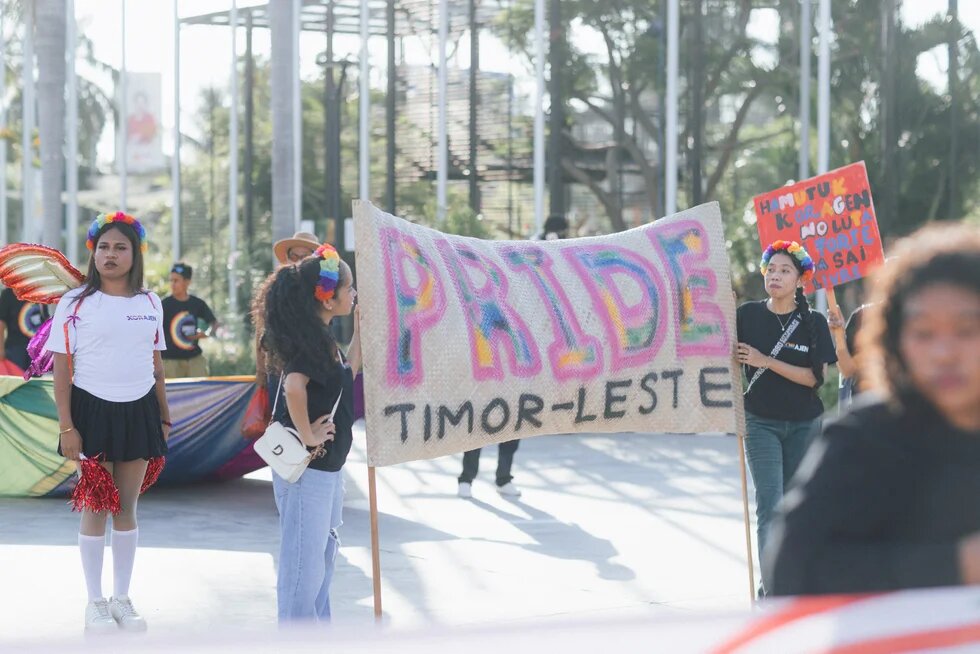
On July 11, 2026, hundreds marched through the streets of Dili under the theme "Courage." What started a decade ago as a modest community initiative has transformed into one of Timor-Leste’s most visible celebrations of dignity, equality, and democratic freedom. Discover how this year's landmark event, joined by civil society, allies, and the Head of State, signals a broader movement for human rights and inclusion across the country.

On 11 July 2026, hundreds of people gathered in the streets of Dili for the 8th Timor-Leste Pride March under the theme “Courage.” What began a decade ago as a small community initiative has grown into one of Timor-Leste’s most visible public expressions of equality, diversity, and democratic participation.
This year’s march brought together LGBTQIA+ people, families, allies, civil society organizations, government representatives, members of Parliament, diplomats, development partners, artists, students, and ordinary citizens. The diversity of those walking together reflected an important reality: Pride in Timor-Leste is no longer only an event for LGBTQIA+ people. It has become a broader conversation about human dignity, civil rights, and the kind of society Timor-Leste aspires to build.
The presence of the President of the Republic, H.E. José Ramos-Horta, who officially opened the march, was particularly significant. In many parts of Southeast Asia, LGBTQIA+ communities continue to face shrinking civic space, criminalization, and growing political hostility. Against this regional backdrop, the participation of Timor-Leste’s Head of State sent a powerful message that democratic institutions have a role in protecting the dignity of all citizens.
Yet Pride in Timor-Leste has never been about claiming victory. While the country has avoided the wave of anti-LGBTQIA+ legislation seen elsewhere in the region, discrimination, social stigma, and exclusion remain part of many people’s daily lives. Many LGBTQIA+ Timorese continue to navigate family rejection, bullying, barriers to employment, and limited access to services. Visibility has increased, but equality remains unfinished.
The theme “Courage” captured these realities. Courage is often imagined as a dramatic act, but for many LGBTQIA+ Timorese it is found in ordinary moments: introducing a partner to friends, speaking honestly about one’s identity, supporting a child, challenging prejudice in the workplace, or choosing empathy over silence. These everyday acts rarely make headlines, yet they are the foundation upon which social change is built.
Pride Month reflected this broader understanding of courage. Alongside the march, organizers hosted film screenings, community dialogues, safety briefings, and public discussions that encouraged reflection rather than confrontation. These spaces allowed people with different backgrounds and perspectives to engage in conversations that are often absent from public discourse.
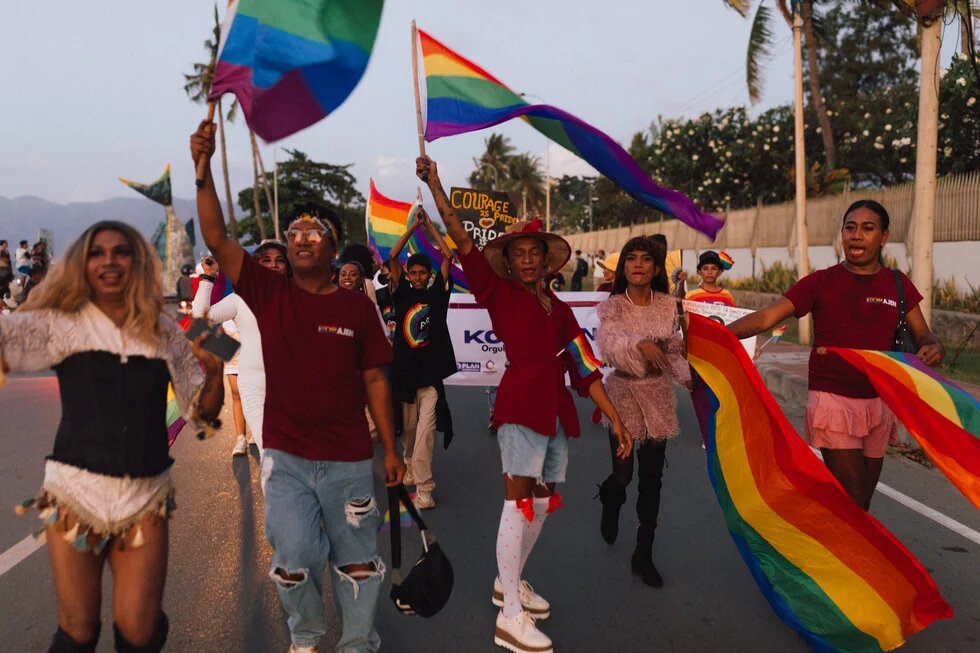
The movement itself has also evolved. In its early years, Pride was primarily about visibility—showing that LGBTQIA+ Timorese exist and belong. Today, the conversation is increasingly connected to wider questions of democracy, youth participation, gender equality, disability inclusion, and civic freedoms. These struggles are not separate. They are rooted in the same belief that every person deserves equal rights, equal opportunities, and equal respect.
The growth of Pride has been driven largely by community leadership. Volunteers, grassroots organizations, artists, youth groups, and allies have built the movement with limited resources but remarkable determination. Their work demonstrates that meaningful social change does not always begin in government institutions; it often starts within communities willing to imagine a more inclusive future.
As Timor-Leste continues to consolidate its democracy and deepen its engagement within ASEAN, questions of inclusion will remain central to its development. Economic growth, political stability, and regional integration are important achievements, but they are strongest when accompanied by the protection of fundamental rights and an active civil society.
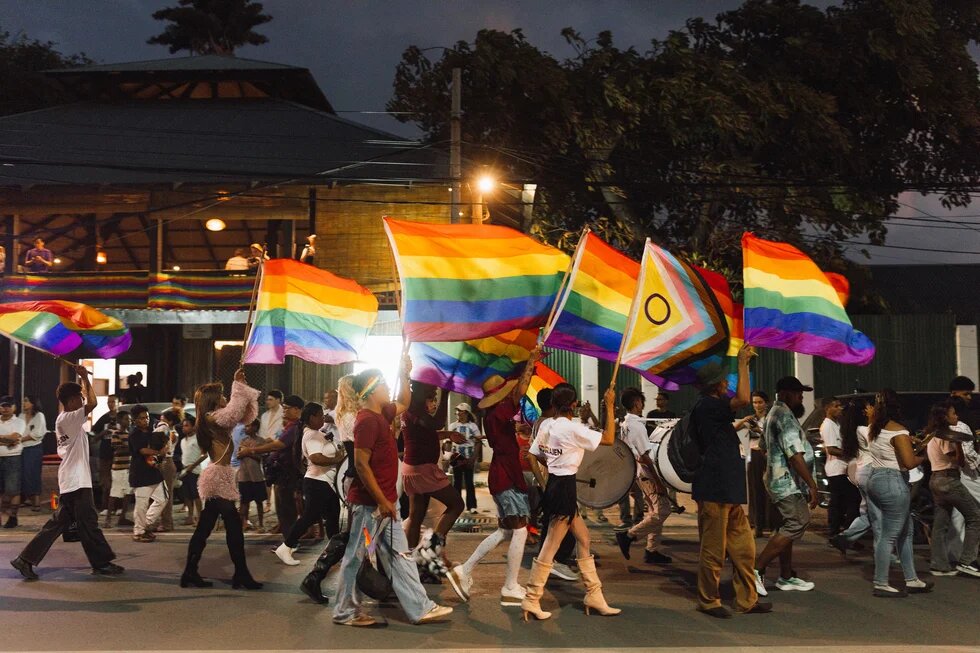
Pride 2026 was therefore more than a celebration. It was a reminder that democracy is measured not only by elections or institutions, but also by whether people can live openly, participate equally, and be treated with dignity regardless of who they are.
For Timor-Leste, courage is no longer only the legacy of the struggle for independence. It is also the willingness to build a society where diversity is not merely tolerated but respected, and where every person has the freedom to belong.
__
Natalino Guterres is a human rights activist from Timor-Leste and President of the Board of Fundasaun CODIVA, the national umbrella network of LGBTQIA+ organizations.
Disclaimer: This published work was prepared with the support of the Heinrich Böll Stiftung. The views and analysis contained in the work are those of the author and do not necessarily represent the views of the foundation. The author is responsible for any liability claims against copyright breaches of graphics, photograph, images, audio, and text used.


